Small Front Yard Desert Landscape Ideas for Hot, Dry Climates
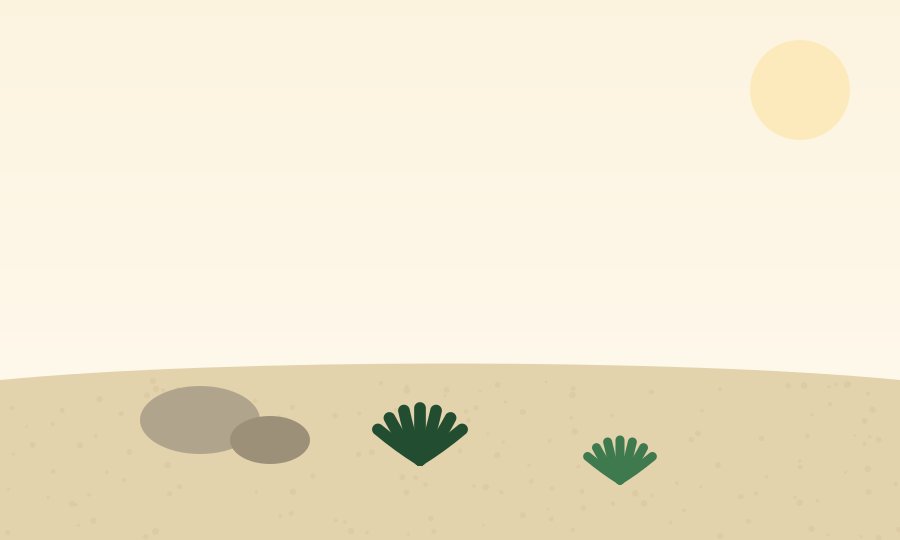
Desert front yards face a specific challenge: intense heat, minimal rainfall, and often a smaller footprint than a typical suburban lot. The good news is that desert-adapted design is naturally suited to small spaces — many of the most striking desert plants are compact by nature.
Best Plants for a Small Desert Front Yard
- Agave — strong sculptural form, very low water needs, works as a single specimen or repeated accent.
- Barrel cactus — compact, slow-growing, ideal near walkways where size needs to stay predictable.
- Desert marigold — adds seasonal color without significant water demand.
- Red yucca — narrow growth habit, well-suited to tight spaces, with long bloom season.
Compact Layout Ideas
- Single specimen + gravel field: one striking agave or barrel cactus surrounded by decorative gravel — simple, low-cost, and effective.
- Boulder cluster: 2-3 boulders of varying size with low plantings tucked at their base.
- Layered path border: low plants lining a path edge, taller specimens set back near the house.
For broader xeriscape principles that apply at a larger scale, see xeriscape backyard ideas.
Ground Materials for Desert Yards
Decomposed granite and gravel are the standard ground covers in desert landscaping — both drain instantly and reflect heat better than dark mulch. For pathways or accents, black brick pavers can work, though their heat absorption is worth weighing carefully in extreme desert heat.
Managing Heat in a Small Desert Yard
Position any seating areas away from south- and west-facing walls where reflected heat is most intense, and consider a single shade tree if space allows — see our landscapes and trees guide for placement guidance.
Frequently Asked Questions
Compact, sculptural plants like agave, barrel cactus, red yucca, and desert marigold work especially well since they stay small while still providing strong visual interest.
Decomposed granite and gravel are standard choices since they drain well and reflect heat better than organic mulch.
Layer plants of varying height and texture rather than spacing single specimens evenly, and use boulder groupings to add visual weight.