Black Bricks for Landscaping: Where and How to Use Them
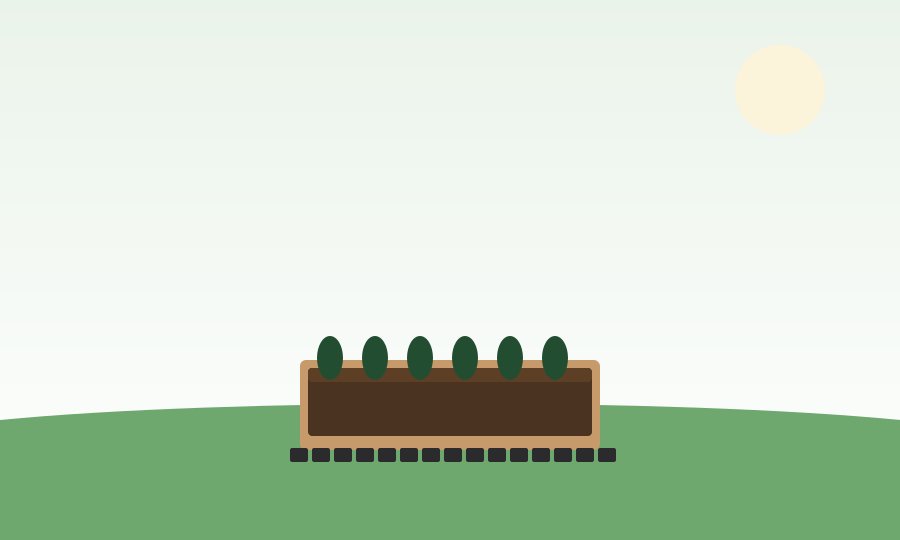
Black brick has moved from a niche modern-architecture material into mainstream landscape design, prized for the sharp contrast it creates against greenery and lighter hardscaping. Used well, it reads as intentional and high-end; used everywhere, it can feel heavy. Here's how to strike the balance.
Best Uses for Black Brick in a Landscape
- Bed borders: a single course of black brick around a planting bed creates a crisp, defined edge.
- Accent paths: a narrow black brick path or stepping pattern adds contrast without overwhelming a yard.
- Retaining edges: low black brick retaining walls work well in tiered or sloped landscapes.
- Focal feature framing: framing a fire pit or water feature in black brick makes it the clear visual anchor.
What to Pair Black Brick With
Black brick works best against lighter, organic textures — pale gravel, light-colored mulch, and plants with silvery or chartreuse foliage all create strong contrast. Pairing it with already-dark materials (dark mulch, dark stone) tends to flatten the effect rather than sharpen it.
For full pavers rather than border brick, see our dedicated guide on black brick pavers.
Practical Considerations
- Heat absorption: black brick gets noticeably hotter than lighter materials in direct summer sun — consider this near seating areas or plant roots.
- Cost: black brick often costs slightly more than standard red or tan brick due to lower production volume.
- Maintenance: efflorescence (a white mineral haze) can show more visibly on black brick than lighter colors and may need occasional cleaning.
Frequently Asked Questions
Yes, black brick absorbs more heat than lighter materials, so it's worth considering placement near seating areas or sensitive plant roots in hot climates.
Plants with silvery, chartreuse, or pale variegated foliage create the strongest visual contrast against black brick.
Generally yes, though the difference is usually modest and depends on the manufacturer and region.