
What Gardening Zone is Oklahoma?
Gardening, at its heart, is a deeply rewarding conversation with nature. It’s an act of faith, patience, and meticulous observation, transforming a patch of earth into a vibrant tapestry of life. For passionate gardeners worldwide, from the bustling urban balconies of Bengaluru to the sprawling backyards of Oklahoma, understanding the nuances of local climate is not just helpful—it’s absolutely crucial for success. Imagine carefully nurturing a seedling, investing time, effort, and resources, only for it to wither away because it simply wasn’t suited to your region’s winter chill or summer scorch. This heartbreak is precisely what the concept of “gardening zones” aims to prevent. These zones act as a universal language for plant resilience, providing a vital compass for selecting species that will not only survive but truly thrive in your specific environment. They empower us to make informed decisions, reducing the guesswork and fostering a more sustainable, joyful gardening journey.
For our esteemed Bengaluru readers, while your city boasts its own unique and often balmy climate, the principles behind understanding gardening zones are universally applicable. Just as you navigate the intense monsoon seasons, the warm, humid summers, and the relatively mild winters to select plants that flourish, gardeners in other parts of the world, like Oklahoma, rely on similar climatic indicators. Knowing your zone means you can choose plants that are genetically predisposed to withstand the lowest temperatures your region typically experiences, saving you from costly mistakes and ensuring your garden remains a source of beauty and bounty year after year. It’s about working *with* nature, not against it, creating a harmonious ecosystem that supports robust plant growth, encourages local biodiversity, and ultimately, brings profound satisfaction. This detailed exploration of Oklahoma’s gardening zones will not only shed light on a fascinating region but also offer valuable insights and transferable knowledge for any gardener keen on cultivating a thriving green sanctuary, no matter their geographical location. It’s a testament to the global community of gardeners, united by a shared passion for growth and discovery.
Understanding the USDA Plant Hardiness Zone System
The bedrock of successful perennial gardening in many parts of the world, including the United States, is the USDA Plant Hardiness Zone System. Developed by the United States Department of Agriculture, this ingenious system categorizes regions based on their average annual extreme minimum winter temperature. It’s a critical tool for gardeners, providing a standardized way to determine which perennial plants are most likely to survive the winter cold in a specific location. The entire continental U.S., along with Alaska and Hawaii, is mapped into zones, each representing a 10-degree Fahrenheit range, further divided into ‘a’ and ‘b’ subzones (e.g., 6a and 6b) which represent a 5-degree Fahrenheit difference. Zone 1 is the coldest, while Zone 13 is the warmest.
For our Bengaluru audience, while India has its own agro-climatic zones based on a broader range of factors including rainfall, temperature, and soil, understanding a globally recognized system like the USDA zones offers immense benefits. When you encounter a plant recommended for Zone 7, for instance, you immediately gain a tangible understanding of its cold tolerance, which helps you assess its viability in your local climate or if considering importing seeds or plants from international nurseries. This system helps prevent the disappointment of investing in a plant only to discover it cannot withstand your winter lows, or conversely, helping you push the boundaries by selecting more adventurous species if your microclimate is warmer than the general zone. The latest USDA Plant Hardiness Zone Map, updated in 2023, incorporates data from 1991–2020, reflecting the most recent climatic trends, including the subtle shifts potentially influenced by global climate change. These updates are crucial because they inform gardeners if their local zone has shifted, potentially allowing for a wider range of plant choices or necessitating extra protection for existing ones. This dynamic nature of zones underscores the importance of staying informed and adaptable, a principle that resonates deeply with any gardener, anywhere in the world. Knowing your zone is the first step towards creating a resilient and flourishing garden that truly belongs to its environment. For more detailed information, you can explore the official USDA plant hardiness zone map https://ecorganicas.org/the-ultimate-guide-to-gardening-radishes-tips-and-tricks-for-a-thriving-garden/.
How Zones Are Determined
The USDA zones are primarily determined by the average annual extreme minimum winter temperature. This isn’t the coldest temperature ever recorded, but rather the average of the lowest temperatures experienced over a 30-year period. This statistical approach helps smooth out year-to-year temperature fluctuations, providing a more reliable long-term indicator. Each zone represents a 10°F range, and each subzone (a and b) represents a 5°F range. For example, Zone 6 has an average annual extreme minimum temperature between -10°F and 0°F, with 6a being -10°F to -5°F and 6b being -5°F to 0°F. This precise categorization allows gardeners to select plants with a similar cold hardiness rating, increasing their chances of survival through winter.
Decoding Oklahoma’s Diverse Gardening Zones
Oklahoma, often referred to as the “Sooner State,” presents a fascinating and diverse landscape for gardeners, characterized by a broad spectrum of USDA Plant Hardiness Zones. Unlike states with more uniform climates, Oklahoma spans several zones, predominantly ranging from **Zone 6b in its colder northwestern panhandle to Zone 8a in its milder southeastern corner**. This significant variation means that a gardener in Boise City will face dramatically different winter challenges than one in Idabel, much like how a gardener in the cooler elevations of Nandi Hills might experience different growing conditions compared to someone in the heart of Bengaluru city. Understanding this zonal spread is paramount for Oklahoman gardeners, as it dictates the range of perennial plants, trees, and shrubs that can reliably survive the winter without extensive protection.
The general trend across Oklahoma follows a north-south gradient: the northern and western parts of the state experience colder winters and fall into Zones 6b and 7a. As you move south and east, the climate becomes progressively milder, transitioning into Zones 7b and eventually 8a. This means that while a plant rated for Zone 7b might thrive in Oklahoma City, it might struggle or require significant winter protection in areas like Tulsa or the panhandle. Conversely, plants that are perfectly hardy in the northern reaches might find the longer, hotter summers of southern Oklahoma to be too intense. This geographic diversity is a defining characteristic of Oklahoma’s gardening landscape, demanding a nuanced approach to plant selection and garden planning. For those of us in Bengaluru who also experience microclimates within our large metropolitan area—perhaps a slightly cooler, shadier spot versus a sun-baked exposed area—the principle of adapting to localized conditions is instantly relatable. Oklahoman gardeners must not only know their specific zone but also consider the microclimates within their own property, such as sheltered areas near a south-facing wall or exposed spots susceptible to strong winds.
Zone Breakdown Across the State
* **Northern and Northwestern Oklahoma (Panhandle)**: These regions are generally in **Zone 6b and 7a**. Gardeners here must contend with colder winters, sometimes experiencing temperatures as low as -5°F to 0°F. This limits the range of less cold-hardy perennials and dictates more careful planning for winter protection.
* **Central Oklahoma (Oklahoma City Metro)**: This expansive area typically falls within **Zone 7a and 7b**. While winters are still cold, they are generally milder than the panhandle, allowing for a slightly broader selection of plants. The average extreme minimum winter temperatures here are often between 0°F and 10°F.
* **Southern and Southeastern Oklahoma**: These are the warmest parts of the state, predominantly **Zone 7b and 8a**. Here, the average extreme minimum winter temperatures hover between 5°F and 15°F, enabling the cultivation of a wider variety of plants, including some that are borderline hardy in other parts of the state.
The continuous updates to the USDA map mean that some areas might have shifted slightly, often towards warmer zones, reflecting changing climate patterns. It is always wise for gardeners to check the most current map for their precise location to ensure they are using the most accurate information available. You can find detailed maps for Oklahoma on reputable sites like the USDA Agricultural Research Service https://ecorganicas.org/the-ultimate-guide-to-gardening-raised-beds-vegetable-growth/.
Beyond Hardiness: Considering Oklahoma’s Unique Climate Factors
While the USDA Plant Hardiness Zone map is an indispensable tool, successful gardening in Oklahoma—much like anywhere else—requires looking beyond just winter temperatures. The state’s climate is a complex tapestry woven with several other critical environmental factors that can significantly influence plant performance. For our Bengaluru readers, this concept is entirely familiar; just as you consider the intensity of the monsoon, the scorching summer heat, and the prevailing humidity, Oklahoman gardeners must also account for a unique set of challenges to ensure their green spaces thrive. Ignoring these additional factors can lead to struggling plants, even if they are perfectly hardy for the designated zone.
One of the most significant considerations is **heat**. Oklahoma experiences long, hot summers with numerous days exceeding 90°F (32°C), and often well above 100°F (38°C). This is where the **American Horticultural Society (AHS) Heat Zone Map** becomes incredibly useful. This map categorizes regions based on the average number of “heat days” – days when the temperature rises above 86°F (30°C), a point at which many plants begin to experience physiological stress. Most of Oklahoma falls into AHS Heat Zones 7 to 9, indicating a substantial number of heat stress days. Plants that are cold-hardy for Zone 7b might wilt and die if they cannot tolerate extended periods of intense summer heat and humidity. Therefore, Oklahoman gardeners must select plants that are not only cold-hardy but also heat-tolerant, a dual consideration that resonates strongly with gardeners in Bengaluru who frequently battle similar conditions.
Other Critical Environmental Influences
* **Rainfall Patterns and Drought**: Oklahoma’s precipitation can be highly variable. While the state experiences periods of abundant rainfall, it is also prone to severe and prolonged droughts, especially in the western parts. This necessitates smart water management strategies, including efficient irrigation, water-wise plant selection, and soil amendments that improve water retention.
* **Soil Diversity**: The state boasts a wide array of soil types, from sandy loams in the west to heavy clays in the east, and rich prairie soils in central regions. Understanding your specific soil composition through soil testing is crucial for amending it appropriately, ensuring proper drainage, nutrient availability, and root development.
* **Wind**: Oklahoma is notorious for its strong, often relentless winds, particularly in spring and fall. These winds can desiccate plants, stunt growth, cause physical damage, and exacerbate drought conditions. Windbreaks, strategic planting, and sturdy staking are often necessary measures.
* **Hail and Severe Storms**: The state is part of “Tornado Alley,” making it susceptible to severe thunderstorms, hail, and tornadoes. These events can cause extensive damage to gardens, requiring resilient plant choices and sometimes temporary protective measures.
* **Humidity Fluctuations**: While summers can be quite humid, dry spells can also occur, leading to significant swings in atmospheric moisture that impact plant health.
Considering all these factors together paints a much more complete picture for successful gardening in Oklahoma. It encourages a holistic approach, where plant selection, site preparation, and ongoing care are tailored to the specific microclimate and environmental pressures of the garden. This integrated strategy is key to cultivating a resilient and beautiful garden, a lesson applicable to any gardener navigating the unique challenges of their own climate. For further reading on heat zones, the AHS website offers valuable resources https://ecorganicas.org/the-ultimate-guide-to-gardening-radishes-tips-and-tricks-for-a-thriving-garden/.
Thriving Plants for Oklahoma’s Zones: A Gardener’s Guide
Armed with a comprehensive understanding of Oklahoma’s hardiness zones and unique climatic challenges, gardeners can now make informed choices about which plants will genuinely flourish. The key is to select species that are not only cold-hardy for your specific zone but also tolerant of the intense summer heat, occasional droughts, and strong winds. Just as Bengaluru gardeners prioritize plants that can withstand the monsoon’s deluge and the summer’s relentless sun, Oklahoman gardeners must seek out resilient varieties that are well-adapted to the state’s dynamic environment. Embracing native plants is often the most reliable strategy, as they have evolved over millennia to thrive in these exact conditions, requiring less intervention and supporting local wildlife.
Plants for Northern/Central Oklahoma (Zones 6b/7a)
In the cooler northern and central parts of Oklahoma, the focus is on robust plants that can handle winter temperatures dipping down to -10°F to 0°F.
* **Trees**:
* Oak varieties (e.g., Shumard Oak, Bur Oak): Native, drought-tolerant once established, and provide excellent shade.
* Redbud (Cercis canadensis): A beautiful native understory tree with vibrant spring blooms.
* Maple varieties (e.g., Red Maple, Sugar Maple): Offer stunning fall color.
* **Shrubs**:
* Winterberry Holly (Ilex verticillata): Deciduous holly known for its brilliant red berries in winter.
* Hydrangea (e.g., ‘Annabelle’, ‘Limelight’): Many varieties are cold-hardy and provide beautiful summer blooms.
* Sumac (e.g., Fragrant Sumac): Native, drought-tolerant, and offers excellent fall foliage.
* **Perennials**:
* Coneflower (Echinacea purpurea): Drought-tolerant, attracts pollinators, and thrives in full sun.
* Black-eyed Susan (Rudbeckia hirta): Classic prairie flower, very adaptable and cheerful.
* Daylilies (Hemerocallis spp.): Extremely tough and come in a vast array of colors.
* Hostas: Ideal for shadier spots, though some varieties tolerate more sun.
Plants for Southern Oklahoma (Zones 7b/8a)
The warmer southern and southeastern regions allow for a slightly wider selection of heat-loving plants, with winter lows typically staying above 5°F.
* **Trees**:
* Crape Myrtle (Lagerstroemia indica): Known for long-lasting summer blooms and attractive bark.
* Live Oak (Quercus virginiana): Evergreen, majestic, and extremely long-lived, though slower growing.
* Fig (Ficus carica): Can produce delicious fruit, though some winter protection may still be beneficial in colder pockets of 7b.
* **Shrubs**:
* Lantana (Lantana camara): Heat-loving, drought-tolerant, and attracts butterflies.
* Abelia (Abelia grandiflora): Evergreen or semi-evergreen, low maintenance, with delicate blooms.
* Oleander (Nerium oleander): Very heat and drought tolerant (caution: toxic if ingested).
* **Perennials**:
* Salvia (e.g., ‘May Night’, ‘Autumn Sage’): Drought-tolerant, attracts hummingbirds and butterflies.
* Ornamental Grasses (e.g., Little Bluestem, Switchgrass): Native, provide texture and movement, and are very low maintenance.
* Agastache (Hummingbird Mint): Fragrant, attracts pollinators, and thrives in hot, dry conditions.
Vegetables and Herbs
Oklahoma’s long growing season is excellent for warm-season vegetables like **tomatoes, peppers, okra, corn, squash, and beans**. Cool-season crops such as **lettuce, spinach, broccoli, and carrots** can be grown in spring and fall, often allowing for two harvests. Herbs like **rosemary, thyme, oregano, and lavender** are generally well-suited to Oklahoma’s climate, provided they have good drainage. For Indian gardeners, imagine the joy of cultivating your favorite herbs like basil and mint alongside these robust plants, adapting techniques to suit your environment. You can find more specific plant recommendations and growing guides on our blog: https://ecorganicas.com/gardening-quiz-challenge/.
Cultivating Success: Practical Tips for Oklahoma Gardeners (and Beyond)
Achieving a truly flourishing garden in Oklahoma, with its unique blend of hardiness zones and climatic extremes, requires more than just knowing your zone. It demands a holistic, adaptable approach that integrates smart planning with diligent care. These practical tips are designed to empower Oklahoman gardeners to overcome challenges and maximize their garden’s potential, but they also offer invaluable lessons for gardeners across the globe, including our dedicated green thumbs in Bengaluru, who face their own set of environmental considerations. The principles of observation, adaptation, and proactive care are universal languages in the gardening world.
Essential Strategies for a Thriving Oklahoma Garden:
* **Embrace Native Plants**: This is arguably the most impactful advice. Native Oklahoma plants are inherently adapted to the state’s soil, rainfall patterns, heat, and cold. They require less water, fertilizer, and pest control, contributing to a more sustainable and biodiverse ecosystem. They also provide crucial habitat and food for local wildlife.
* **Prioritize Soil Health**: Oklahoma’s diverse soils demand attention. Conduct a soil test to understand your soil’s pH and nutrient levels. Amend heavy clay soils with organic matter to improve drainage and aeration, and enrich sandy soils to enhance water retention and fertility. Composting is your best friend.
* **Strategic Mulching**: Apply a 2-4 inch layer of organic mulch around plants. This helps conserve soil moisture during hot, dry spells, suppresses weeds, moderates soil temperature (keeping roots cooler in summer and warmer in winter), and slowly improves soil structure as it breaks down. This is particularly vital in Oklahoma’s hot summers and windy conditions.
* **Efficient Water Management**: Given the potential for drought, efficient irrigation is crucial. Consider drip irrigation systems or soaker hoses to deliver water directly to the root zone, minimizing evaporation. Water deeply and infrequently to encourage deep root growth, making plants more drought-tolerant. Rainwater harvesting is another excellent sustainable practice.
* **Provide Protection from Extremes**:
* For Heat: Use shade cloth during the hottest parts of summer for sensitive plants. Position heat-sensitive plants where they receive afternoon shade.
* For Cold: Mulch heavily around tender perennials in late fall. For borderline hardy plants, consider covering them with frost blankets or cloches during unexpected cold snaps.
* For Wind: Plant windbreaks (taller, sturdy plants or fences) on the prevailing wind side of your garden. Stake young trees and tall plants securely.
* **Plan for Succession Planting**: To maximize yields from your vegetable garden, plan for succession planting. As one crop finishes, plant another in its place, taking advantage of Oklahoma’s long growing season for multiple harvests of cool-season and warm-season vegetables.
* **Observe Your Microclimates**: Pay close attention to the specific conditions within your own yard. South-facing walls can create hotter, more sheltered microclimates, while low-lying areas might be frost pockets. Use these observations to place plants where they will thrive best. For more on microclimates, check out our article on https://ecorganicas.com/garden-tips/.
* **Integrated Pest Management (IPM)**: Instead of immediately reaching for chemical pesticides, adopt an IPM approach. Encourage beneficial insects, practice good garden hygiene, scout for pests regularly, and use targeted, less toxic solutions only when necessary.
* **Pruning for Health and Vigor**: Learn the proper pruning techniques for your specific plants. Pruning at the right time promotes healthier growth, better flowering or fruiting, and helps maintain plant shape and size.
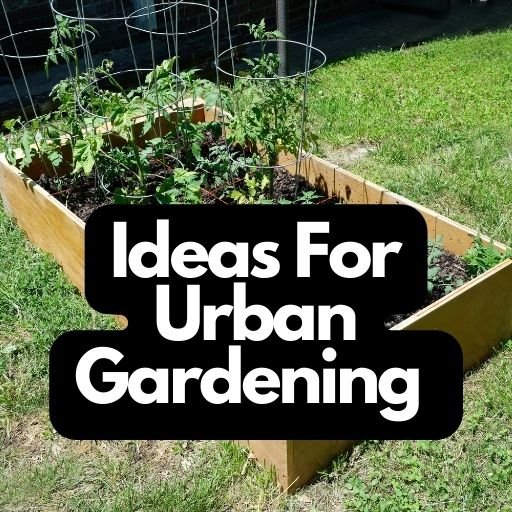
* **Consider Raised Beds**: For areas with poor drainage or challenging soil, raised beds can be an excellent solution, allowing you to control soil composition and provide better drainage. This is a practice equally popular in urban Bengaluru gardens with limited space or poor native soil.
By implementing these strategies, gardeners in Oklahoma can create vibrant, resilient gardens that not only withstand the elements but also contribute positively to the local environment. These tips, rooted in ecological principles, are transferable lessons for any gardener seeking to harmonize with nature, whether in the heartland of America or the garden city of India.
Comparison Table: Essential Gardening Aids for Diverse Climates
Understanding gardening zones is crucial, but successful cultivation in varied climates like Oklahoma and Bengaluru also hinges on employing the right tools and techniques. Here’s a comparison of essential gardening aids that prove beneficial in managing climate extremes, from intense heat to variable rainfall, applicable to gardeners globally.
| Item/Technique | Benefit for Oklahoma Gardeners | Benefit for Bengaluru Gardeners | Typical Use/Application |
|---|---|---|---|
| Organic Mulch (Wood Chips, Straw) | Retains soil moisture during hot, dry summers; insulates roots from extreme winter cold and summer heat; suppresses weeds. | Maintains soil moisture during dry spells; keeps soil cool in hot summers; improves soil structure in heavy clay. | Apply 2-4 inches around plants, avoiding direct contact with stems. Replenish annually. |
| Shade Cloth | Protects sensitive plants from scorching afternoon sun and heat stress during Oklahoma’s intense summers. | Shields delicate plants from harsh Bengaluru summer sun; reduces water evaporation; prevents leaf scorch. | Erect temporary structures over vegetable beds or sensitive ornamentals during peak summer heat. |
| Drip Irrigation System | Delivers water directly to plant roots, minimizing evaporation and conserving water during droughts and windy conditions. | Highly efficient water delivery system, crucial for water conservation, especially during dry periods and for container gardens. | Install emitters near plant bases; connect to a timer for automated, precise watering. |
| Raised Garden Beds | Provides excellent drainage for areas with heavy clay soil; allows for customized soil mixes; warms up faster in spring. | Ideal for poor native soil or limited space; allows for precise soil amendments; accessible gardening for urban setups. | Construct with wood, stone, or metal; fill with a rich, well-draining soil mix. |
| Rain Barrels/Harvesting | Collects rainwater for irrigation, reducing reliance on municipal water during droughts; provides chlorine-free water for plants. | Crucial for water conservation, especially during monsoon season for storage; provides soft, chemical-free water for plants. | Connect to downspouts from roofs; use collected water for supplemental irrigation. |
Expert Tips for Gardening in Dynamic Climates
- Know Your Local Microclimates: Even within a single garden, variations in sun exposure, wind patterns, and drainage create distinct microclimates. Observe these and place plants accordingly.
- Conduct Regular Soil Tests: Soil composition and nutrient levels can vary significantly. Testing every 2-3 years helps you make informed decisions on amendments.
- Prioritize Native Plantings: Native plants are naturally adapted to local conditions, requiring less water, fertilizer, and pest management. They also support local biodiversity.
- Mulch, Mulch, Mulch: A generous layer of organic mulch conserves moisture, regulates soil temperature, suppresses weeds, and enriches the soil over time.
- Water Deeply and Infrequently: Encourage deep root growth by providing thorough, less frequent watering sessions, making plants more drought-resistant.
- Plan for Both Heat and Cold: Select plants that can tolerate your specific zone’s winter lows AND your region’s summer highs.
- Integrate Composting: Regularly add homemade compost to your garden beds to improve soil structure, fertility, and microbial activity.
- Embrace Integrated Pest Management (IPM): Focus on prevention and natural controls, resorting to targeted, less toxic treatments only when necessary.
- Keep a Garden Journal: Document planting dates, weather patterns, pest issues, and successes. This invaluable record informs future gardening decisions.
- Learn from Local Gardeners: Join local gardening clubs or online forums. Local expertise is often the most practical and relevant. For more tips on sustainable gardening, read our guide on https://ecorganicas.com/do-it-yourself-backyard-wedding-ideas/.
Frequently Asked Questions About Oklahoma Gardening Zones
What is the coldest gardening zone in Oklahoma?
The coldest gardening zone in Oklahoma is typically Zone 6b, found in the northwestern panhandle region of the state. This area experiences average annual extreme minimum winter temperatures between -5°F and 0°F (-20.6°C to -17.8°C). Gardeners in this zone must select plants with strong cold hardiness and often employ winter protection strategies for less resilient species.
Can I grow tropical plants in Oklahoma?
Generally, true tropical plants that require consistently warm temperatures and cannot tolerate freezing will struggle to survive Oklahoma’s winters outdoors. However, in the warmer Zone 8a parts of southern Oklahoma, some subtropical plants might survive with protection. Many gardeners treat tropicals as annuals, grow them in containers to be brought indoors during winter, or cultivate cold-hardy varieties of typically tropical plants (e.g., certain fig varieties). For our Bengaluru readers, this is akin to trying to grow alpine plants in your tropical climate!
How do I protect plants from Oklahoma’s strong winds?
Oklahoma’s strong winds can be detrimental to plants. Strategies include planting windbreaks (e.g., sturdy shrubs or small trees) on the prevailing wind side of your garden, using temporary wind barriers or fences, staking tall plants and young trees securely, and choosing plant varieties known for their strong stems and flexible branches. Strategic placement of plants in naturally sheltered areas can also help.
Is soil testing important in Oklahoma?
Yes, soil testing is extremely important in Oklahoma due to the state’s diverse range of soil types, from sandy to heavy clay. A soil test will reveal your soil’s pH, nutrient levels, and organic matter content, allowing you to make targeted amendments (e.g., adding compost, lime, or sulfur) to create optimal growing conditions for your plants. Without a soil test, you’re essentially guessing what your plants need.
How has climate change affected Oklahoma’s gardening zones?
Recent updates to the USDA Plant Hardiness Zone Map, including the 2023 revision, indicate a general warming trend across many parts of the United States, including Oklahoma. This has led to some areas shifting to a warmer zone (e.g., from 6b to 7a, or 7a to 7b). While this might allow for a wider range of plant choices, it also highlights the need for gardeners to adapt to changing conditions, including potentially hotter summers and altered precipitation patterns.
What are AHS Heat Zones and why are they relevant for Oklahoma?
The AHS (American Horticultural Society) Heat Zone Map categorizes regions based on the average number of days each year when temperatures exceed 86°F (30°C), a threshold at which many plants begin to experience stress. Oklahoma experiences long, hot summers, with most of the state falling into AHS Heat Zones 7 to 9. Therefore, while a plant might be cold-hardy for your USDA zone, it also needs to be heat-tolerant to survive Oklahoma’s summers. Considering both USDA and AHS zones provides a more complete picture of a plant’s suitability.
Understanding your gardening zone in Oklahoma is the first, crucial step toward cultivating a thriving and resilient garden. By delving into the nuances of the USDA Hardiness Zones, embracing the challenges of Oklahoma’s unique climate, and applying practical, expert tips, you are well on your way to creating a beautiful and productive green space. Remember, gardening is a continuous learning journey, and every season brings new insights.
For an even deeper dive into gardening success, we’ve compiled an exclusive guide tailored for regions with dynamic climates. Download our comprehensive PDF to unlock advanced strategies and plant recommendations.
📥 Download Complete Guide
And for all your gardening needs, from high-quality seeds to essential tools, visit our online shop. We have everything you need to bring your gardening dreams to life!