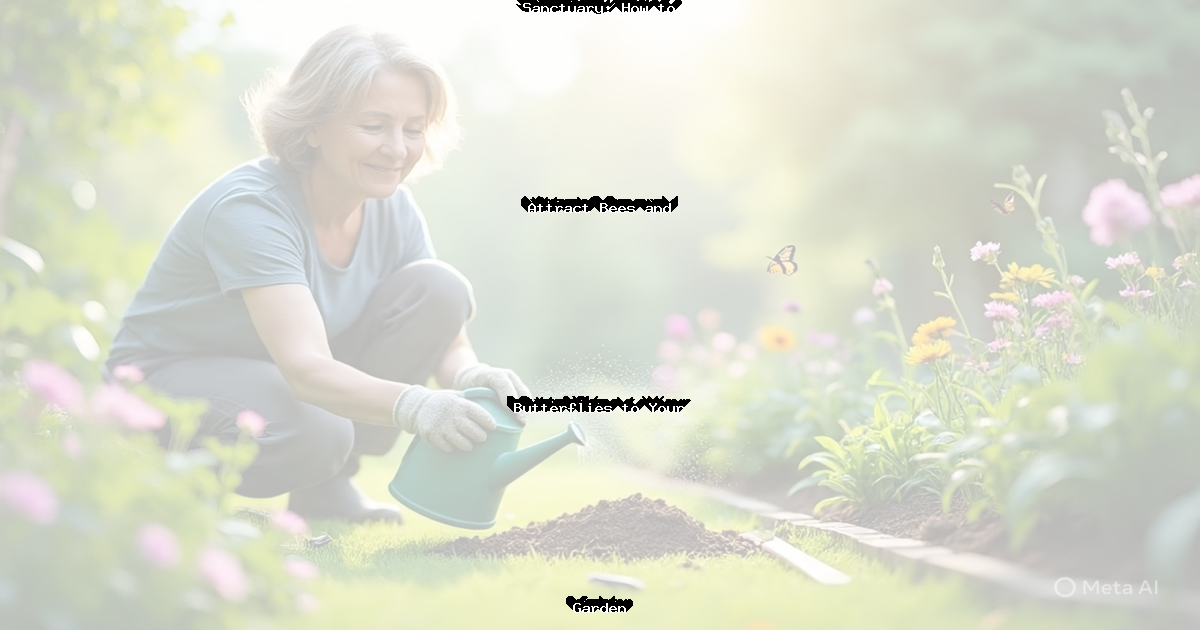
A thriving organic garden is more than just a collection of plants; it is a complex, living ecosystem. At the heart of this ecosystem are pollinators—bees, butterflies, birds, and beneficial insects—that are responsible for the reproduction of over 75% of the world’s flowering plants and 35% of global food crops. However, habitat loss and pesticide use have led to a sharp decline in pollinator populations. By creating a pollinator-friendly garden, you aren’t just ensuring a bountiful harvest for yourself; you are providing a vital sanctuary for these essential creatures. Sustainable living starts with protecting the small heroes that keep our planet blooming.
Why Pollinators Matter for Your Garden
Without pollinators, many of our favorite garden staples—like tomatoes, squash, and berries—would fail to produce fruit. Beyond food production, pollinators support biodiversity by helping native plants reproduce, which in turn provides food and shelter for other wildlife. According to the Pollinator Partnership, the economic value of pollination services worldwide is estimated at hundreds of billions of dollars annually. In your own backyard, a high pollinator count is the best indicator of a healthy, chemical-free environment.
| Pollinator Type | Preferred Plants | Unique Benefit |
|---|---|---|
| Honey Bees | Lavender, Clover, Sunflowers | Efficient generalist pollinators |
| Monarch Butterflies | Milkweed, Zinnia, Goldenrod | Indicators of ecosystem health |
| Hummingbirds | Salvia, Bee Balm, Trumpet Vine | Excellent for deep-throated flowers |
| Hoverflies | Dill, Fennel, Daisy | Larvae eat aphids (Natural pest control) |
6 Tips to Create a Pollinator Sanctuary
- Plant Native Species: Native plants have co-evolved with local pollinators and provide the exact nectar and pollen they need.
- Provide a Water Source: A shallow birdbath or a “bee bar” (a dish with pebbles and water) allows insects to drink safely without drowning.
- Create Continuous Blooms: Aim to have different plants flowering from early spring through late autumn to provide a steady food supply.
- Avoid Pesticides: Even “organic” pesticides can harm beneficial insects. Rely on companion planting and natural predators instead.
- Leave the Leaves: Many pollinators overwinter in leaf mulch or hollow stems. Wait until late spring to do your garden cleanup.
- Build a “Bug Hotel”: Provide nesting sites for solitary bees using drilled wooden blocks or bundles of bamboo.
🎁 Plan Your Pollinator Paradise
Attracting pollinators is easier when you group the right plants together! Download our Free Companion Gardening Chart to discover the best flower and vegetable pairings for a buzzing backyard. For more ways to enrich your garden soil naturally, read our guide on Composting for Beginners.
Conclusion
Creating a pollinator-friendly garden is one of the most rewarding “Eco-friendly DIY” projects you can undertake. It transforms your outdoor space into a vibrant, humming landscape that supports the local environment while boosting your garden’s productivity. By choosing to garden for pollinators, you are making a tangible contribution to global conservation efforts right from your own home.