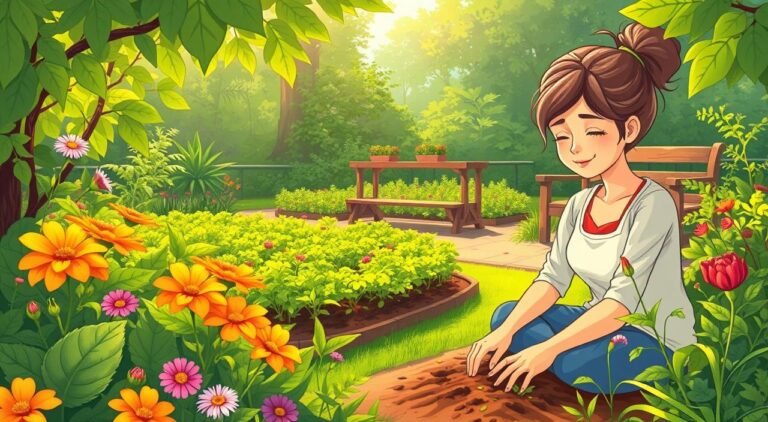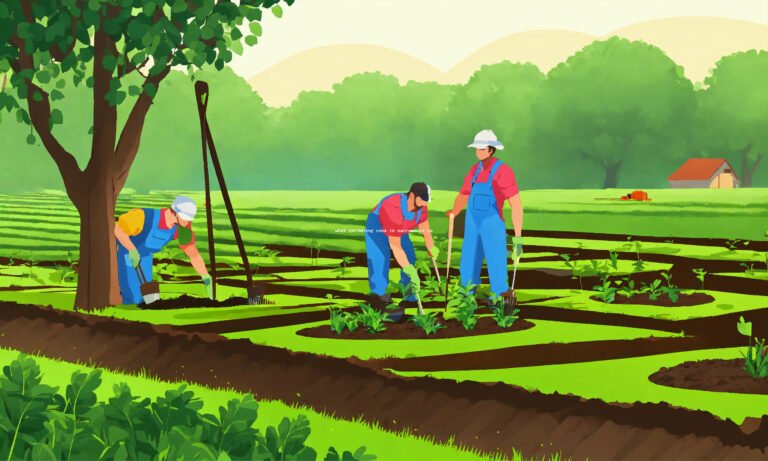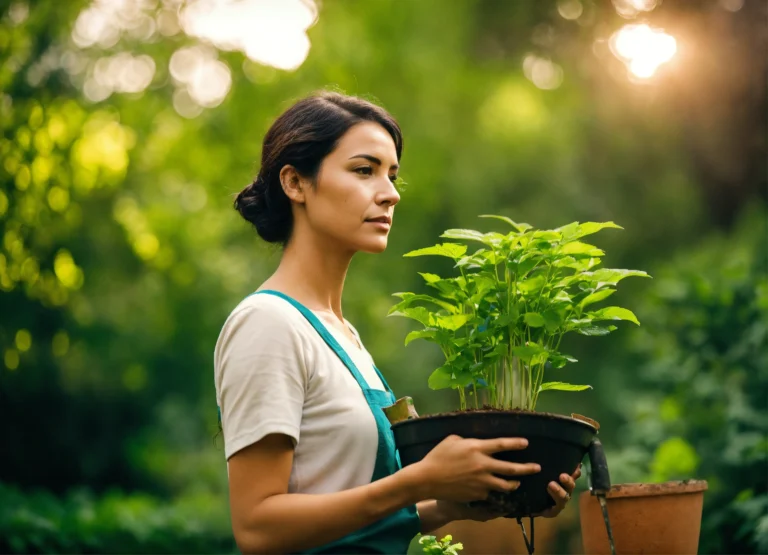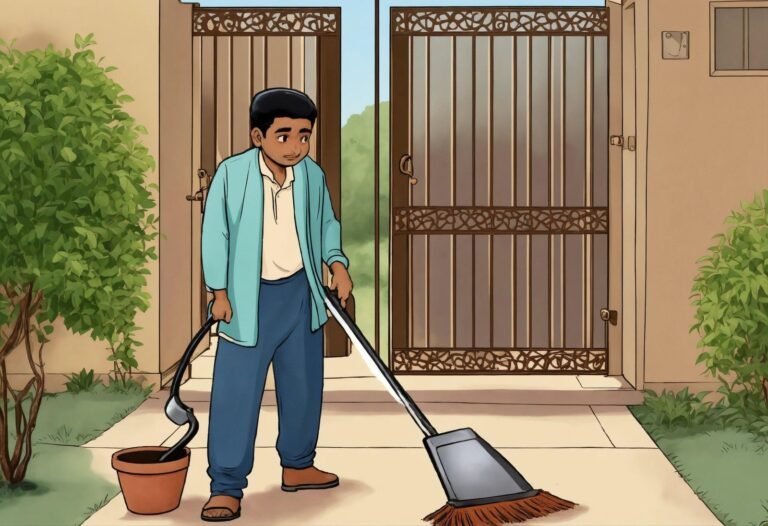

Traditional lawns require regular mowing, watering, and fertilizing—making them time-consuming and costly to maintain. If you’re ready to rethink your outdoor space, no grass backyard ideas offer creative, eco-friendly alternatives that are beautiful, functional, and low maintenance. In this guide, discover inspiring ways to design a no-grass backyard that suits your style and needs.
## Why Choose a No Grass Backyard?
Grass-free backyards offer several advantages:
– **Low Maintenance:** Less mowing, watering, and fertilizing.
– **Water Conservation:** Drought-resistant options save resources.
– **Eco-Friendly:** Reduces chemical use and supports biodiversity.
– **Versatility:** More room for patios, gardens, and play areas.
## Planning Your No Grass Backyard
Before you begin, consider these steps:
### 1. Assess Your Space
– Measure the area and note sun/shade patterns.
– Identify slopes, drainage, and existing features.
– Consider privacy, views, and access points.
### 2. Set a Budget
– Factor in costs for materials, plants, hardscaping, and furniture.
– Prioritize elements that offer lasting value and minimal upkeep.
### 3. Choose a Style
Popular no grass backyard styles include:
– **Modern Minimalist:** Clean lines, hard surfaces, and simple plantings.
– **Naturalistic:** Native plants, wildflowers, and informal layouts.
– **Mediterranean:** Gravel, pavers, and drought-tolerant greenery.
– **Contemporary:** Geometric patterns, ornamental grasses, and bold accents.
## Top No Grass Backyard Ideas
Here are creative ways to design a grass-free outdoor retreat:
### 1. Hardscaping Elements
– **Patios:** Build with concrete, pavers, or stone for durable seating and dining areas.
– **Decks:** Use wood or composite materials for multi-level spaces.
– **Walkways:** Create paths with gravel, stepping stones, or brick.
– **Courtyards:** Enclose a section with walls or fencing for privacy and style.
### 2. Mulched Beds
– Replace grass with mulch—bark, wood chips, or straw—to suppress weeds and retain moisture.
– Edge beds with stone or metal for definition.
– Plant shrubs, perennials, or ornamental grasses for color and texture.
### 3. Gravel and Stone Gardens
– Cover large areas with pea gravel, river rock, or decomposed granite.
– Arrange boulders, pebbles, and rock features for visual interest.
– Add drought-tolerant plants and succulents for a modern look.
### 4. Groundcovers
– Use low-maintenance groundcovers like creeping thyme, clover, sedum, or moss.
– Groundcovers provide green coverage without the upkeep of grass.
– Combine varieties for seasonal blooms and foliage contrast.
### 5. Artificial Turf
– Install high-quality synthetic turf for a green look without mowing or watering.
– Great for play areas, pet zones, or small urban yards.
– Combine with pavers, planters, or gravel for a custom design.
### 6. Container Gardens
– Plant in pots, raised beds, or troughs for flexibility and easy care.
– Use self-watering containers or drip irrigation to reduce maintenance.
– Group containers for impact and seasonal variety.
### 7. Xeriscaping
– Design with drought-tolerant plants, gravel, and minimal irrigation.
– Choose native species for best results and low water needs.
– Incorporate decorative rocks, driftwood, or metal accents.
### 8. Outdoor Living Spaces
– Add decks, patios, or pergolas for shaded seating and entertaining.
– Use weather-resistant furniture and outdoor rugs for comfort.
– Install fire pits, grills, or outdoor kitchens for year-round enjoyment.
### 9. Edible Gardens
– Grow herbs, berries, or vegetables in raised beds or containers.
– Choose disease-resistant varieties for less maintenance.
– Add trellises or vertical gardens for space-saving harvests.
### 10. Play and Recreation Zones
– Build sandboxes, playhouses, or sports courts for kids.
– Use rubber mulch, gravel, or artificial turf for safe, durable surfaces.
– Include shade sails or umbrellas for sun protection.
## Design Tips for No Grass Backyards
– **Layered Planting:** Combine groundcovers, shrubs, and trees for depth and color.
– **Lighting:** Install solar or LED fixtures for ambiance and safety.
– **Water Features:** Add fountains, ponds, or bubblers for soothing sounds.
– **Smart Storage:** Use benches or sheds for tools, toys, and supplies.
– **Vertical Elements:** Incorporate trellises, living walls, or tall planters.
## Maintenance Tips for Grass-Free Landscapes
– **Weed Control:** Use mulch, groundcovers, and proper edging.
– **Clean Hardscapes:** Sweep patios and paths regularly.
– **Prune and Water:** Trim plants and check irrigation as needed.
– **Refresh Mulch and Gravel:** Top up surfaces to maintain coverage.
## Common Mistakes to Avoid
– **Overcrowding:** Leave open space for movement and relaxation.
– **Ignoring Drainage:** Ensure proper water runoff to avoid puddles or erosion.
– **Skipping Edging:** Use borders to keep mulch, gravel, and groundcovers contained.
– **Choosing High-Maintenance Plants:** Opt for varieties suited to your climate and care level.
## No Grass Backyard Ideas for Small Spaces
– Use vertical gardens, wall planters, and compact furniture.
– Opt for gravel, pavers, or artificial turf.
– Select dwarf shrubs and small trees.
– Install foldable tables or stackable chairs for flexibility.
## Final Thoughts: Rethink Your Outdoor Space
A no grass backyard means more time to relax and less time working in the garden. With these no grass backyard ideas, you can create a beautiful, sustainable retreat that fits your lifestyle and budget. Start with a plan, choose the right materials and plants, and enjoy a modern outdoor space that’s easy to maintain.
Ready to get started? Assess your yard, gather inspiration, and design your perfect grass-free landscape today.