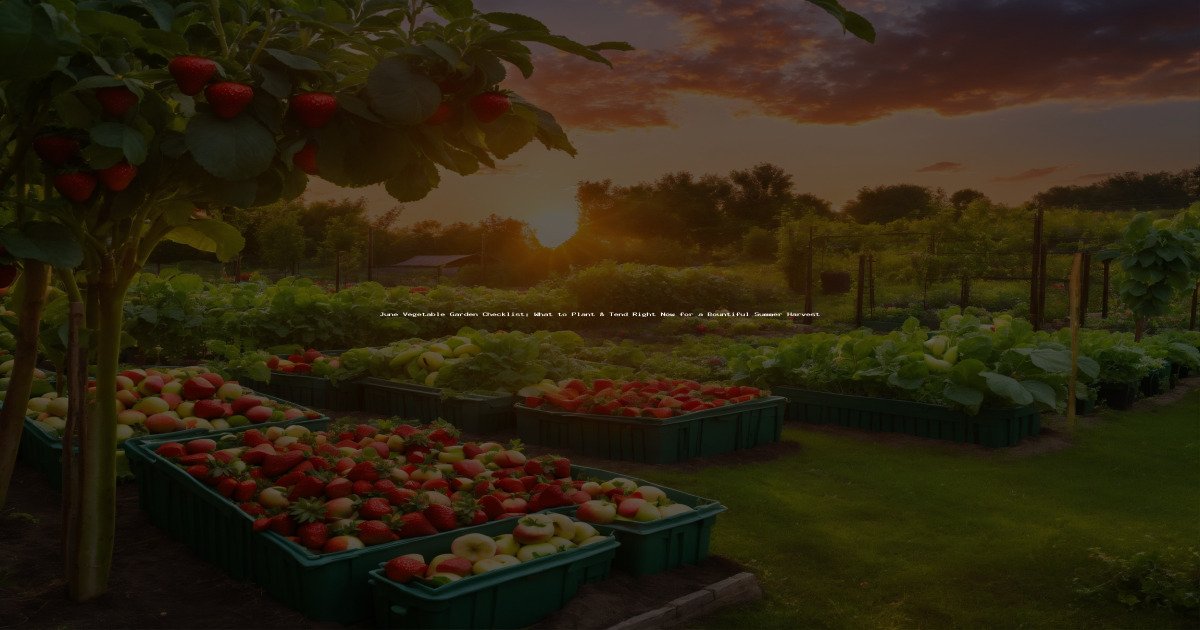
There’s a special kind of magic in the air as June rolls around for American gardeners. The days are long, the sun is high, and the promise of a bountiful summer harvest hangs heavy like the sweet scent of honeysuckle on a warm evening breeze. If you’re like most folks across the continental USA, you’ve probably spent months dreaming of this moment, poring over seed catalogs during the cold winter, and getting your hands dirty with early spring plantings. Now, with Memorial Day behind us, we’re officially in the thick of it – the glorious, sometimes challenging, but always rewarding season of peak growth!
June isn’t just a month; it’s a pivotal turning point in the garden. For many of us, from the humid southern states to the sun-drenched Midwest and the cooler climes of the Pacific Northwest, this is when our vegetable patches truly hit their stride. Your tomatoes are probably starting to set fruit, peppers are plumping up, and squash plants are threatening to take over the entire yard. But June isn’t just about admiring what’s already growing; it’s a critical time for strategic planting and diligent tending to ensure that your harvest doesn’t just start strong but continues right through to Labor Day and beyond.
Whether you’re gardening in USDA Zone 3 with its shorter growing season or basking in the extended warmth of Zone 10, June demands attention. The relentless summer sun, the increasing threat of pests, and the sheer vigor of your plants mean that every decision you make now can significantly impact your yield. This isn’t the time to sit back and relax; it’s the time to roll up your sleeves, grab your favorite gardening tools, and get to work. From the fertile valleys of California to the rocky soils of New England, every American garden has unique needs this month, but the core principles remain the same: nurture, protect, and plant smart.
This comprehensive guide is your essential June garden checklist, tailor-made for the American home gardener. We’ll dive deep into what vegetables you can still plant for a late summer and fall harvest, the crucial tending tasks that will make or break your success, and specific advice tailored to the diverse climates of our great nation. We’ll even share some favorite American products and brands to help you along the way. Get ready to transform your garden into a vibrant, productive powerhouse this June, ensuring a steady stream of fresh, homegrown goodness for your kitchen all season long!
🌱 Key Takeaways for Your June Garden Success 🌱
- Plant Smart: Focus on warm-season crops for succession planting and quick-maturing varieties.
- Water Wisely: Deep, infrequent watering is key to beating summer heat and encouraging strong roots.
- Nourish & Protect: Fertilize regularly, mulch to conserve moisture, and stay vigilant against pests.
- Regional Adaptations: Adjust your plans based on your specific USDA zone and local climate challenges.
- Plan Ahead: Consider fall planting now and think about preservation strategies for your bounty.
The Ultimate June Planting Guide: What to Get in the Ground Now
June might feel like the middle of summer, but it’s far from too late to plant for a robust harvest! In fact, for many regions and varieties, June is prime planting time. The soil is warm, the days are long, and young plants can establish quickly. The key is to think about succession planting and selecting varieties that mature relatively fast or thrive in the heat. Don’t fall into the trap of thinking all your planting is done; June offers a fantastic opportunity to extend your harvest well into late summer and even early fall. This strategic planting ensures that you’re not just getting a burst of produce, but a continuous supply of fresh vegetables from your backyard.
Warm-Season Favorites: Direct Sowing & Transplants
For most of the continental U.S., June is the perfect time to direct sow seeds of heat-loving vegetables that mature quickly or can handle intense summer sun. Think about crops that thrive when soil temperatures are consistently above 60-65°F.
- Beans: Bush beans and pole beans are fantastic choices for June. They germinate quickly and produce prolifically. Plant a new batch every 2-3 weeks for a continuous supply. Varieties like ‘Kentucky Wonder’ (pole) or ‘Provider’ (bush) from seed companies like Burpee or Baker Creek Heirloom Seeds are excellent choices.
- Squash & Zucchini: If your earlier plantings are already producing, or if you had issues with squash vine borers, June is a great time for a second planting. Zucchini, yellow squash, and even some faster-maturing winter squash varieties can be direct sown now. Give them plenty of space!
- Cucumbers: These vining delights love the heat. Plant pickling or slicing varieties now for a late summer bounty. Provide a trellis or cage to keep them off the ground and improve air circulation. ‘Marketmore 76’ is a dependable slicer.
- Corn: In many areas, especially the Midwest and Northeast, you can still plant sweet corn in June. Look for faster-maturing varieties (60-70 days) to ensure they ripen before the first fall frost. Plant in blocks, not single rows, for better pollination.
- Okra: For gardeners in the South and other warm climates, okra is a June superstar. It thrives in intense heat and humidity. ‘Clemson Spineless’ is a classic choice.
- Southern Peas (Cowpeas): Another Southern favorite, these are incredibly heat tolerant and improve soil health.
For those looking to get a jump start, nurseries (like those at Home Depot or Lowe’s) will still have transplants of tomatoes, peppers, and eggplants. While it might be a bit late for a massive tomato harvest in some northern zones, smaller, faster-maturing determinate varieties or cherry tomatoes can still yield well. Peppers and eggplants, especially if started from larger transplants, can still produce abundantly through the summer. Look for heat-tolerant tomato varieties if you’re in a scorching climate.
Succession Planting Secrets for Continuous Harvest
Succession planting is the art of planting small batches of crops every few weeks instead of planting everything at once. This prevents a “feast or famine” situation in your garden.
- Leafy Greens: While many lettuces bolt in summer heat, varieties like ‘Black Seeded Simpson’ or ‘Buttercrunch’ can tolerate some warmth if given partial shade. Swiss chard and kale are more heat-tolerant and can be planted now.
- Radishes: Quick-growing radishes can still be sneaked into empty spots, especially if you choose heat-tolerant varieties like ‘Summer Cross’.
- Carrots: In cooler regions or if provided with some afternoon shade, short-season carrots can be planted in June for a late summer pull. Ensure soil is loose and free of rocks.
- Beets: Another root crop that appreciates cooler soil but can do well in June, especially if you plant for their delicious greens as well as their roots.
Consider pairing your June plantings with companion plants. Marigolds can deter nematodes around tomatoes, and nasturtiums can act as a trap crop for aphids. This natural pest management is an American gardening tradition!
Don’t Forget Your Herbs!
Many herbs absolutely thrive in the summer sun and can be planted or propagated in June. Basil, oregano, thyme, rosemary, and sage love the heat. Cilantro and dill tend to bolt quickly in hot weather, but you can plant them in partial shade for a slightly longer harvest. Mint, while vigorous, is best contained in a pot to prevent it from taking over your garden. Fresh herbs elevate any summer meal, from a simple Caprese salad to grilled chicken, making them an invaluable addition to your June garden.
Remember, success in June planting often comes down to selecting the right varieties for your specific climate and ensuring proper watering to help young plants establish quickly in the summer warmth. https://ecorganicas.com/how-to-grow-a-tea-garden-from-leaf-to-mug/
Essential June Garden Care: Tending Your Growing Green Oasis
Once your plants are in the ground, June transitions from a planting frenzy to a tending marathon. The rapid growth spurred by long days and warm temperatures means your garden needs constant attention. Think of yourself as the conductor of a vibrant orchestra; every section needs its cue, and every instrument needs to be in tune. This month, your focus shifts to providing consistent moisture, adequate nutrition, and vigilant protection against the inevitable summer challenges. Neglecting these tasks now can quickly lead to stressed plants, reduced yields, and an invitation for pests and diseases to move in.
Watering Wisely: Beating the Summer Heat
Consistent and deep watering is paramount in June, especially as temperatures climb into the 80s and 90s Fahrenheit across much of the country. Shallow, frequent watering encourages surface roots, making plants more susceptible to drought stress.
- Deep & Infrequent: Aim to water deeply, allowing the water to penetrate 6-12 inches into the soil. This encourages roots to grow deeper, making them more resilient. Depending on your soil type and weather, 1-2 inches of water per week, applied in one or two sessions, is a good starting point.
- Morning is Best: Water early in the morning. This gives the foliage time to dry before evening, reducing the risk of fungal diseases. Watering in the heat of the day leads to significant evaporation, and watering at night leaves plants wet, inviting problems.
- Target the Roots: Use soaker hoses or drip irrigation systems (readily available at Lowe’s or Amazon) to deliver water directly to the root zone, minimizing waste and keeping foliage dry. Overhead sprinklers can be inefficient and promote disease.
- Check Soil Moisture: Don’t just water on a schedule. Stick your finger 2-3 inches into the soil. If it feels dry, it’s time to water. A moisture meter can also be a helpful tool.
- Container Plants: Containers dry out much faster than in-ground beds. They may need daily watering, sometimes twice a day during heatwaves.
Fertilizing for Peak Performance
As your plants grow rapidly and begin to produce fruit, their nutritional needs increase significantly. June is a critical month for feeding your plants, especially heavy feeders like tomatoes, peppers, corn, and squash.
- Mid-Season Boost: If you amended your soil well at the beginning of the season, a mid-season boost with a balanced organic granular fertilizer (like Espoma Garden-tone or Jobe’s Organics, found at Home Depot) can be beneficial. Follow package directions carefully.
- Liquid Feeds: For a quick nutrient shot, consider a liquid feed like fish emulsion or a diluted compost tea every 2-3 weeks. This is particularly useful for container plants that deplete nutrients faster.
- Watch for Deficiencies: Yellowing leaves, stunted growth, or poor fruit set can all be signs of nutrient deficiencies. Do a quick online search or check a gardening book to diagnose and address specific issues.
Weeding, Mulching, and Pest Patrol
These three tasks are ongoing but become even more crucial in June.
- Weed Early & Often: Weeds compete with your vegetables for water, nutrients, and sunlight. Pull them when they are small and the soil is moist. A good sharp hoe can make quick work of young weeds in rows.
- Mulch, Mulch, Mulch: A 2-4 inch layer of organic mulch (straw, shredded leaves, wood chips, or pine bark) around your plants is a game-changer. It suppresses weeds, conserves soil moisture (reducing your watering needs!), moderates soil temperature, and slowly adds organic matter as it decomposes. This is one of the best investments of time you can make.
- Vigilant Pest Patrol: Summer brings out the pests. Walk through your garden daily and inspect plants, especially the undersides of leaves. Look for aphids, squash bugs, tomato hornworms, cucumber beetles, and spider mites.
- Hand-picking: For larger pests like hornworms or squash bugs, hand-picking them off and dropping them into a bucket of soapy water is effective.
- Organic Sprays: For smaller infestations, insecticidal soap or neem oil (available at garden centers) can be very effective. Always follow label directions.
- Beneficial Insects: Encourage ladybugs, lacewings, and parasitic wasps by planting flowers that attract them, like dill, cosmos, and sunflowers.
June is a month of action in the garden. Your consistent effort now will pay dividends in delicious, healthy produce later in the summer. Stay hydrated, wear a wide-brimmed hat, and enjoy the process of nurturing your garden! https://ecorganicas.org/how-deep-to-plant-potatoes/
Regional Wisdom: Adapting Your June Garden Across the USA
The United States boasts an incredible diversity of climates, from the arid deserts of the Southwest to the humid subtropics of Florida and the cool, damp Pacific Northwest. What works in one region in June might be entirely wrong for another. A truly successful American gardener understands their local conditions and adapts their practices accordingly. This isn’t just about USDA hardiness zones, which primarily tell you about winter lows; it’s about understanding summer highs, humidity, rainfall patterns, and the length of your growing season. Let’s break down some specific advice for different regions.
Northeast & Midwest: Leveraging Long Days
Gardeners in states like New York, Michigan, Ohio, and Pennsylvania are typically enjoying their peak growing season in June. The days are long, and temperatures are reliably warm, but not usually scorching hot yet.
- Planting: Continue planting bush beans, cucumbers, summer squash, and succession crops of leafy greens (with some afternoon shade) and root vegetables like carrots and beets. Faster-maturing corn varieties can still go in.
- Tending: Focus on consistent watering as plants establish and temperatures rise. Mulching is crucial here to conserve moisture and suppress weeds. Keep an eye out for common pests like cucumber beetles and squash vine borers, which become active this month.
- Tomatoes & Peppers: Your main crop of tomatoes and peppers should be growing vigorously. Ensure they are staked or caged properly to support heavy fruit loads.
The Southern Heat Challenge: Beat the Burn
For states from Florida and Georgia up through the Carolinas and across to Texas, June means intense heat and high humidity. This can be a challenge for many traditional vegetables.
- Planting: Focus on heat-tolerant crops like okra, Southern peas (cowpeas), sweet potatoes, and specific heat-set tomato varieties (e.g., ‘Florida 91’, ‘Heatwave II’). Hot peppers often thrive in the South. You can still plant beans and corn, but choose varieties known for heat tolerance.
- Tending: Watering is absolutely critical. Drip irrigation or soaker hoses are almost a necessity. Mulch heavily to keep soil temperatures down and conserve moisture. Provide afternoon shade for sensitive crops like lettuce or even some tomatoes to prevent sunscald and bolting.
- Pest & Disease: Humidity can lead to fungal diseases. Ensure good air circulation, prune lower leaves on tomatoes, and consider preventative organic fungicide sprays if issues are common in your area. Fire ants are also a significant concern.
Pacific Northwest: Mild Summers, Mighty Growth
Gardeners in Oregon, Washington, and parts of Northern California often experience milder summers with less intense heat than other regions, but they still get plenty of sunlight.
- Planting: June is still prime planting time for a wide range of crops. You can continue succession planting lettuce, spinach, kale, and Swiss chard. Beans, squash, cucumbers, and even broccoli and cauliflower can be planted now for a late summer/early fall harvest. Potatoes and carrots also do well.
- Tending: While temperatures are milder, consistent watering is still important, especially during dry spells. Slugs and snails can be a major problem in this region due to the moisture; use organic baits or traps.
- Cool-Season Crops: Unlike other regions, some cool-season crops might still thrive here if given some protection from the strongest sun.
Southwest: Desert Gardening Strategies
Arizona, New Mexico, Nevada, and parts of California face extreme heat, low humidity, and often alkaline soils. Gardening here requires specific strategies.
- Planting: In June, focus on highly heat-tolerant plants like melons, gourds, some varieties of corn, okra, and specific desert-adapted legumes. Many gardeners take a break from planting during the hottest months and focus on preparing for a fall garden.
- Tending: Shade cloth is essential for most crops to prevent sunscald and reduce water evaporation. Deep watering is critical, often daily or twice daily for containers. Consider raised beds with amended soil to combat poor native soil. Drip irrigation is non-negotiable.
- Soil Health: Amending soil with plenty of compost helps retain moisture and buffer extreme temperatures. Watch for spider mites, which thrive in dry, hot conditions.
No matter where you are in the U.S., observing your microclimate – how sun hits certain areas of your yard, where water tends to collect, or where winds are strongest – will give you invaluable insights into how to best adapt your June gardening practices. https://ecorganicas.com/how-to-grow-a-tea-garden-from-leaf-to-mug/
Smart Tools & Supplies: American Products to Boost Your Bounty
A successful garden isn’t just about green thumbs; it’s also about having the right tools for the job. Investing in quality, reliable gardening supplies makes your work easier, more efficient, and ultimately more enjoyable. As American gardeners, we have access to a fantastic array of products from trusted brands, often conveniently found at our local Home Depot, Lowe’s, or with a few clicks on Amazon. These aren’t just gadgets; they are extensions of your will, helping you nurture your plants and protect your investment. Let’s look at some essential categories for your June garden.
Top Picks for Irrigation
Efficient watering is critical in June. These products help you deliver water where it’s needed most without waste.
- Soaker Hoses: Brands like Gilmour or Dramm offer durable soaker hoses. They slowly seep water directly into the soil, minimizing evaporation and keeping foliage dry. A 50-foot hose costs around $20-$40 at Home Depot or Lowe’s.
- Drip Irrigation Kits: For more extensive gardens or raised beds, a drip irrigation kit (e.g., from Rain Bird or Orbit, available on Amazon or garden centers) is a game-changer. These kits come with tubing, emitters, and connectors, allowing you to customize your watering system. Expect to pay $50-$150 for a starter kit.
- Watering Wands: A long watering wand, like those from Dramm or Bon-Aire, helps you reach hanging baskets and the back of garden beds without bending. Look for models with various spray patterns. Typically $20-$40.
- Moisture Meters: A simple, inexpensive tool (around $10-$20 on Amazon) that helps you accurately assess soil moisture at root depth, preventing over or under-watering.
Essential Fertilizers & Soil Amendments
Feeding your plants is crucial for sustained growth and heavy yields.
- Organic Granular Fertilizers: Espoma’s Garden-tone, Tomato-tone, and Plant-tone are excellent all-purpose or specific organic fertilizers widely available at garden centers. Jobe’s Organics also offers a great line of granular and spike fertilizers. A 4 lb bag is usually $12-$20.
- Liquid Organic Feeds: Alaska Fish Emulsion (around $15-$25 per quart) provides a quick boost of nitrogen and other nutrients. Dilute according to package directions. Neptune’s Harvest Fish & Seaweed Fertilizer is another popular choice.
- Compost: While you can make your own, bagged compost from brands like Black Kow (composted cow manure) or Miracle-Gro Organics is a fantastic soil amendment. A 1 cubic foot bag is typically $5-$10 at Home Depot.
- Mulch: Straw bales (around $8-$15 per bale at garden centers or feed stores) are excellent for vegetable gardens. Shredded hardwood mulch or pine bark nuggets (large bags $4-$8) also work well and are available at any big box store.
Pest & Disease Management Must-Haves
Stay ahead of garden invaders with these effective, often organic, solutions.
- Insecticidal Soap: Safer Brand Insecticidal Soap is a ready-to-use option (around $10-$15) that effectively controls aphids, spider mites, and whiteflies by suffocating them.
- Neem Oil: A natural repellent and insecticide, Bonide Neem Oil or Garden Safe Neem Oil (approx. $15-$25 for a concentrate) can be used to treat a wide range of pests and some fungal diseases. Always mix and apply according to instructions.
- BT (Bacillus thuringiensis): For caterpillar pests like tomato hornworms and cabbage loopers, Monterey BT (around $15-$20) is a targeted organic solution that won’t harm beneficial insects.
- Garden Dust/Diatomaceous Earth: Food-grade DE (approx. $15-$25 for a large bag) can be sprinkled on plants to deter crawling insects by dehydrating them. Use with caution around pollinators.
- Trellises & Cages: Sturdy tomato cages (e.g., from Gardener’s Supply Company or generic ones from Lowe’s, $5-$20 each) and various trellises (bamboo, metal, or netting) are essential for vining plants, improving air circulation and keeping fruit off the ground.
Having these essential tools and supplies at hand will not only make your June gardening tasks easier but also contribute significantly to the health and productivity of your vegetable patch. Don’t be afraid to invest a little in quality; it pays off in the long run.
Beyond the Basics: Advanced Tips for a Pro-Level June Garden
Once you’ve mastered the fundamentals of June planting and tending, it’s time to elevate your gardening game. Think of these advanced tips as the “secret sauce” that transforms a good garden into a truly phenomenal one. These strategies go beyond mere survival; they aim for peak performance, maximum yield, and resilience against common summer challenges. Implementing even a few of these techniques can make a noticeable difference in the health and bounty of your vegetable patch, giving you that satisfying feeling of being a true garden pro.
Trellising & Staking for Vertical Growth
Don’t let your vining plants sprawl! Trellising and staking aren’t just about neatness; they’re vital for plant health and yield.
- Air Circulation: Lifting plants off the ground significantly improves air circulation, reducing the risk of fungal diseases like powdery mildew, which thrives in humid summer conditions.
- Pest Control: It makes it easier to spot and remove pests, and keeps fruit off the ground where it can be damaged by soil-borne pathogens or slugs.
- Space Saving: In smaller gardens, vertical growing maximizes your usable space. A single tomato plant can produce much more when grown upwards.
- Which Plants? Tomatoes (indeterminate varieties especially), cucumbers, pole beans, peas, vining squash (like ‘Tromboncino’), and even some peppers benefit greatly from support.
- Methods: Use sturdy tomato cages, stakes (bamboo, rebar, or wood), cattle panel trellises, or string trellises. Ensure supports are in place when plants are young to avoid damaging roots later.
Attracting Pollinators (and Deterring Pests Naturally)
Your garden relies heavily on pollinators for fruit set, especially for crops like squash, cucumbers, and melons. A healthy ecosystem also helps keep pests in check.
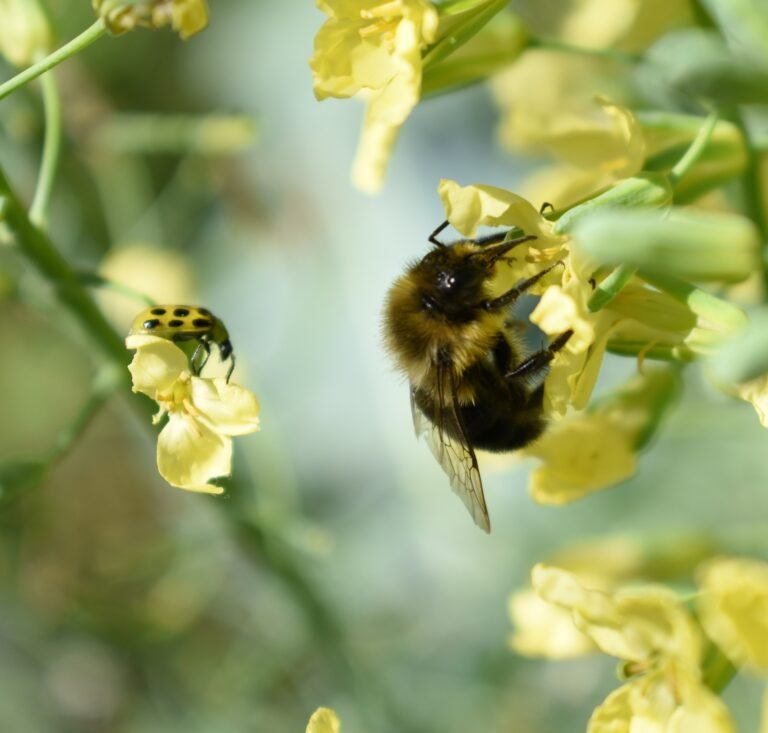
- Plant Nectar-Rich Flowers: Integrate flowering plants that attract bees, butterflies, and other beneficial insects. Good choices include borage, calendula, cosmos, zinnias, sunflowers, dill, fennel, and parsley (let some go to flower!).
- Provide Water: A shallow bird bath or a dish with pebbles (for bees to land on) provides a water source for beneficial insects.
- Avoid Broad-Spectrum Pesticides: These harm beneficial insects as well as pests. Opt for targeted organic solutions when necessary.
- Companion Planting: Some plants naturally deter pests. Marigolds (especially French marigolds) can deter nematodes and other soil pests. Nasturtiums can act as a trap crop for aphids, drawing them away from your vegetables.
Early Harvest & Preservation Planning
June is often when the first significant harvests begin, especially for crops planted in spring. Think ahead to manage your bounty.
- Harvest Regularly: Many plants, like beans, zucchini, and cucumbers, produce more when harvested frequently. Don’t let fruit get too big; this signals the plant to slow down production.
- Succession Planting (Revisited): As mentioned earlier, planning your June plantings with succession in mind ensures a steady supply rather than a single overwhelming glut.
- Preservation Prep: As your garden explodes, start thinking about how you’ll preserve your harvest. Do you have canning jars? Freezer bags? Space in the freezer? Knowing your plan for excess produce will help you enjoy your garden’s bounty all year long. This is a classic American tradition, from pickling cucumbers to freezing corn.
By incorporating these more advanced techniques, you’ll not only see an increase in your garden’s productivity but also develop a deeper understanding and connection with the natural processes at play. Happy gardening! https://ecorganicas.org/do-plant-cells-have-mitochondria/
Your June Garden Checklist: A Step-by-Step Action Plan
To make sure you don’t miss a beat in your June garden, here’s a concise, actionable checklist. Print it out, tape it to your fridge, and tackle these tasks to ensure your garden thrives through the summer heat and delivers a fantastic harvest. Breaking down your gardening efforts into weekly and monthly goals can make the seemingly endless work feel manageable and even enjoyable. This list is designed to be comprehensive, covering everything from new plantings to routine maintenance, all tailored for the American home gardener in June.
Weekly Tasks
- Inspect Plants Daily: Walk through your garden every morning or evening. Look for signs of pests (undersides of leaves!), diseases, or nutrient deficiencies. Early detection is key!
- Water Deeply: Check soil moisture and water deeply as needed (1-2 times per week for in-ground beds, more often for containers). Aim for 6-12 inches of penetration.
- Harvest Regularly: Pick ripe beans, squash, cucumbers, leafy greens, and any early tomatoes or peppers. Frequent harvesting encourages more production.
- Weed Patrol: Pull or hoe small weeds before they become established and compete with your crops.
- Support Vining Plants: Tie up tomatoes, cucumbers, and pole beans to their stakes or trellises as they grow.
- Check Irrigation: Ensure drip lines or soaker hoses are working correctly and not clogged.
Monthly Goals (or Bi-Weekly)
- Succession Planting: Plant new batches of bush beans, cucumbers, summer squash, and heat-tolerant greens (like Swiss chard) every 2-3 weeks to extend your harvest.
- Fertilize: Provide a mid-season boost with a balanced organic granular fertilizer for heavy feeders, or a liquid feed every 2-3 weeks for container plants.
- Mulch Maintenance: Replenish mulch layers as needed to maintain a 2-4 inch depth. This is especially important as summer heat intensifies.
- Pruning & Deadheading: Prune lower leaves on tomatoes to improve air circulation. Deadhead flowering herbs to encourage bushier growth (unless you want seeds).
- Pest & Disease Treatment: If you find pests, apply appropriate organic treatments (insecticidal soap, neem oil, BT) as needed. Address any signs of fungal disease promptly.
- Plan for Fall: Start thinking about what you’ll plant for a fall garden. Some seeds (like broccoli, cabbage) might need to be started indoors in late June/early July.
Observing Your Plants
Your plants are your best communicators. Learn to read their signals:
- Wilting: Could be lack of water, but also overwatering or root rot. Check soil moisture.
- Yellowing Leaves: Often a sign of nutrient deficiency (especially nitrogen), but can also indicate overwatering or disease.
- Spots or Discoloration: Usually a sign of fungal disease or pest damage. Identify and treat quickly.
- Poor Fruit Set: Could be lack of pollination (attract more bees!) or extreme heat affecting fruit set.
This June