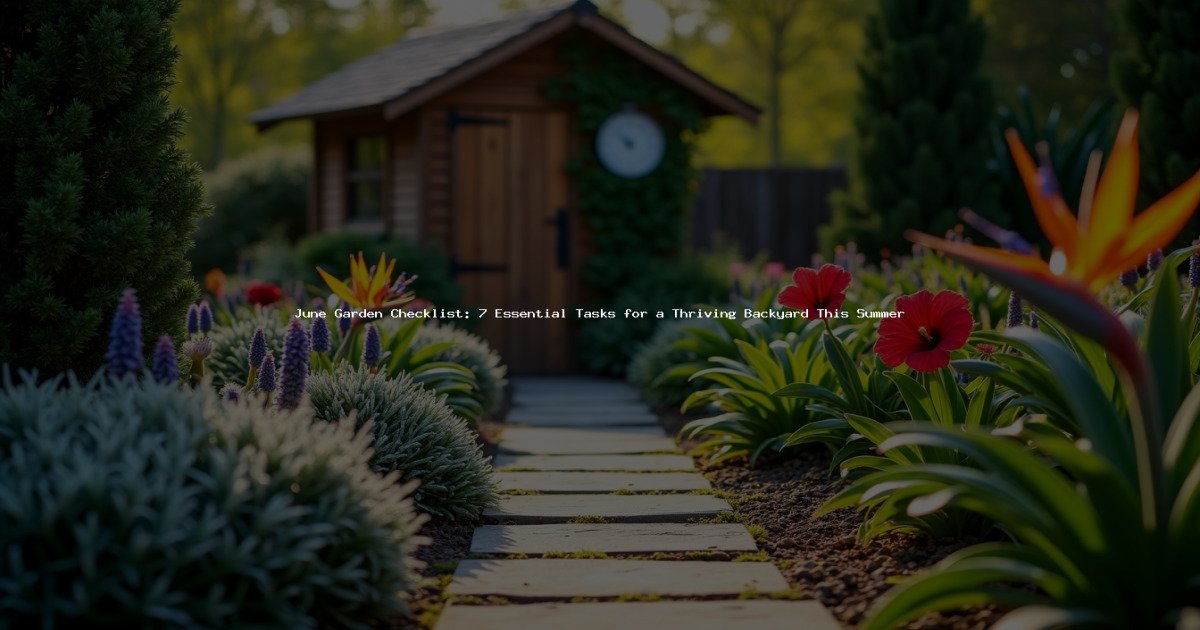
Ah, June! The official start of summer, a time when the sun truly embraces our American backyards, painting landscapes with vibrant hues and promising bountiful harvests. After the careful planning and initial planting of spring, June marks a pivotal moment for every US home gardener. Whether you’re tending a sprawling suburban oasis in the Midwest, a compact urban balcony in the Northeast, a sun-drenched desert garden in the Southwest, or a humid haven in the South, this month is all about nurturing your plants to reach their full potential.
From the bustling streets of New York City to the quiet suburbs of Phoenix, the challenges and joys of gardening in June are uniquely American. Across our diverse USDA Hardiness Zones – from Zone 3 in the frosty northern states like Minnesota and Maine to Zone 10 and 11 in the sun-drenched tip of Florida or coastal California – the rising temperatures and longer daylight hours demand our attention. This isn’t just about keeping things alive; it’s about setting the stage for a summer of spectacular blooms, delicious homegrown produce, and a backyard that becomes your personal slice of paradise.
Think about those crisp summer evenings, grilling out on the patio, surrounded by fragrant petunias, towering sunflowers, and the promise of vine-ripened tomatoes. That vision isn’t just a dream; it’s the reward for smart, consistent care in June. This month, we transition from the “getting ready” phase to the “actively growing and protecting” phase. Your plants, whether they’re delicate annuals, sturdy perennials, or hungry vegetable crops, are now in full growth mode, requiring specific attention to watering, feeding, pest control, and more. A little effort now will prevent big problems later, ensuring your garden thrives through the dog days of summer and rewards you all the way to Labor Day.
So, grab your gardening gloves, a refreshing glass of iced tea, and let’s dive into the seven essential tasks that will transform your June garden into a vibrant, productive masterpiece. We’ll cover everything from smart watering techniques to battling those pesky summer intruders, all tailored for the American home gardener. Let’s make this summer your most successful gardening season yet!
Key Takeaways for Your June Garden:
- Master Watering: Deep, consistent hydration is crucial as temperatures climb.
- Nourish Smart: Feed hungry plants for peak performance and abundant yields.
- Weed & Mulch: Suppress weeds and conserve precious moisture.
- Scout for Pests: Early detection is key to preventing major infestations.
- Harvest & Plan: Enjoy early harvests and prepare for succession planting.
- Prune & Deadhead: Keep flowers blooming and plants shapely.
- Tend Your Lawn: Maintain a healthy lawn to complement your garden.
Mastering Your Watering Schedule: The Ultimate Summer Hydration Guide
As the mercury rises across the United States in June, from the humid South to the arid Southwest, water becomes the single most critical element for your garden’s survival and success. Gone are the gentle spring rains; now, it’s up to us to ensure our plants get the hydration they need to thrive. But it’s not just about quantity; it’s about quality and timing. Deep, infrequent watering is the golden rule for encouraging strong, deep root systems that can better withstand summer stress.
Forget the daily sprinkle! Light, surface watering encourages shallow roots, making your plants more vulnerable to drought and heat stress. Instead, aim to water deeply, allowing the water to penetrate 6-12 inches into the soil for most garden plants. This might mean watering two or three times a week, depending on your soil type, plant needs, and local climate. To check if you’ve watered enough, simply dig a small hole a few hours after watering to see how far the moisture has penetrated. You’ll be surprised how much water it takes to reach those deeper levels!
Regional Watering Wisdom:
- Northeast & Midwest: While these regions can get significant summer rainfall, dry spells are common. Keep an eye on soil moisture, especially for container plants and new plantings. A good rule of thumb is to provide 1 inch of water per week, either from rain or irrigation.
- South: High humidity often doesn’t translate to sufficient soil moisture. The intense heat means plants transpire rapidly. Water early in the morning to minimize evaporation and prevent fungal diseases that can thrive in damp, warm conditions. Consider using soaker hoses around heat-loving plants like tomatoes and peppers.
- Pacific Northwest: Summers here can be surprisingly dry, especially from June through August. While spring might be wet, prepare for a distinct dry season. Focus on deep watering established plants and be vigilant with new additions.
- Southwest: Xeriscaping and drought-tolerant plants are king here. For traditional gardens, morning watering is non-negotiable to avoid rapid evaporation. Drip irrigation systems are highly efficient and often a necessity to conserve precious water. Mulching becomes even more critical in this arid climate.
Smart Watering Tools & Techniques
Investing in the right tools can make a world of difference. A good quality garden hose (like a Flexzilla 5/8-inch 50-foot hose, available at Home Depot or Amazon US for around $50-$70) is a must. For efficiency, consider a soaker hose system (like Gilmour Flat Weeper Soaker Hose, found at Lowe’s for about $20-$30 for 50 feet) which delivers water directly to the root zone, minimizing waste. Smart irrigation timers (such as the Orbit B-hyve Smart Hose Faucet Timer, available on Amazon US for $60-$80) can automate your watering schedule, even adjusting based on local weather forecasts, saving you time and water.
For container plants, which dry out much faster than in-ground gardens, check them daily. A simple finger test – sticking your finger an inch or two into the soil – is the best indicator. If it feels dry, it’s time to water. Remember, proper watering is the foundation of a healthy, vibrant garden. https://ecorganicas.com/10-aesthetic-plants-for-a-quiet-luxury-garden-look/Learn more about efficient watering techniques for your specific region.%%/INTERNAL_LINK1%%
Nourishing Your Garden: Essential Fertilizing for Peak Performance
Just like we need a good meal to stay energized, your plants need a steady supply of nutrients to produce those stunning blooms and delicious fruits. June is a prime time for feeding, especially for heavy feeders like tomatoes, corn, squash, and fast-growing annual flowers that have been working hard since their spring planting. Think of fertilizer as a multivitamin for your garden – it supplements what your soil might be lacking, ensuring vigorous growth and abundant yields.
Before you grab any bag of fertilizer, it’s helpful to understand what your plants need. Most garden fertilizers display three numbers, known as the N-P-K ratio, representing Nitrogen (for leafy growth), Phosphorus (for roots and blooms), and Potassium (for overall plant health and disease resistance). For a general boost to most vegetables and flowering plants in June, a balanced fertilizer (like 10-10-10) or one slightly higher in phosphorus and potassium to encourage fruiting and flowering is often ideal. However, leafy greens might prefer a bit more nitrogen, while root crops benefit from higher phosphorus.
Fertilizer Application Tips by Region:
- Northeast & Midwest: After spring growth, many plants will appreciate a mid-season boost. For container plants or hungry vegetables, a liquid feed every 2-4 weeks works wonders. For established perennials, a slow-release granular fertilizer applied once in early June can carry them through the summer.
- South: The intense heat and sometimes sandy soils in the South can quickly deplete nutrients. Frequent feeding, especially with liquid fertilizers, may be necessary for heavy feeders. Be mindful of over-fertilizing, which can burn plants in high temperatures.
- Pacific Northwest: With generally rich, often acidic soils, your garden might not need as much intervention, but heavy feeders will still benefit. Consider organic options like compost tea or fish emulsion to gently replenish nutrients.
- Southwest: Sandy, alkaline soils in the Southwest often benefit from fertilizers that include micronutrients like iron, which can become deficient. Slow-release granular fertilizers are excellent here, minimizing the need for frequent applications in harsh conditions.
Choosing the Right Fertilizer for Your American Garden
For an all-purpose boost, consider granular slow-release fertilizers like Miracle-Gro Shake ‘n Feed All Purpose Plant Food (available at Home Depot or Lowe’s, around $15-$25 for a large container). It feeds for up to 3 months, which is perfect for June application. For organic gardeners, Espoma Garden-tone Organic Plant Food (Amazon US, $20-$30) is a fantastic choice, providing a gentle, steady release of nutrients while improving soil health. Liquid fertilizers, like FoxFarm Grow Big Liquid Plant Food (Amazon US, $25-$35 for a quart), offer a quick boost for plants that look a little tired or are actively producing fruits and flowers. Always follow package directions for application rates to avoid over-fertilizing, which can harm your plants and pollute waterways. A little goes a long way, especially in the heat of summer. https://ecorganicas.org/how-deep-to-plant-potatoes/For more detailed information on NPK ratios and soil testing, check out resources from your local university extension office.%%/EXTERNAL_LINK1%%
Weed Control & Mulching: Your Secret Weapon Against Summer Intruders
June is when weeds truly hit their stride, competing with your beloved plants for water, nutrients, and sunlight. A weed-filled garden isn’t just an eyesore; it’s a drain on your garden’s resources and can harbor pests. Tackling weeds now, before they go to seed and multiply exponentially, is one of the most impactful tasks you can undertake this month. But beyond just pulling, smart mulching is your ultimate ally in this ongoing battle.
The best weed control is prevention. A thick layer of mulch is a gardener’s secret weapon. It smothers germinating weed seeds by blocking sunlight, making it harder for them to establish. Beyond weed suppression, mulch offers a host of other benefits crucial for a successful summer garden. It conserves soil moisture by reducing evaporation, meaning you’ll need to water less often. It regulates soil temperature, keeping roots cooler on scorching days and warmer on cooler nights. As organic mulches decompose, they also enrich your soil, improving its structure and fertility over time.
Mulching Strategies for Diverse US Climates:
- Northeast & Midwest: A 2-4 inch layer of shredded hardwood mulch or pine bark is excellent for retaining moisture and suppressing weeds in perennial beds. For vegetable gardens, straw (not hay, which can contain weed seeds!) is a great choice as it breaks down easily and can be tilled in at the end of the season.
- South: Mulching is absolutely vital here to combat rapid moisture loss and intense soil heating. Pine straw is a popular and effective choice, as are cypress mulch or shredded hardwood. Ensure your mulch isn’t piled directly against plant stems, creating a “mulch volcano,” as this can lead to rot.
- Pacific Northwest: Organic mulches like arborist chips or compost help maintain soil structure and acidity. They also provide a barrier against common PNW weeds.
- Southwest: In arid regions, inorganic mulches like gravel, decomposed granite, or lava rock are often preferred for xeriscapes, as they don’t break down quickly and are excellent at retaining moisture while preventing weed growth. For vegetable beds, straw or wood chips can still be beneficial but may need to be replenished more frequently due to intense sun.
Recommended Mulch & Tools
For organic mulch, consider bagged shredded hardwood mulch (like Vigoro Mulch, available at Home Depot or Lowe’s for $3-$5 per bag) or pine bark nuggets. For vegetable gardens, a bale of straw (check local garden centers or farm supply stores, typically $5-$10 per bale) is economical. For tools, a good weeding hoe (like the Ames Ergo Gel Grip Garden Hoe, found at Lowe’s for $20-$30) makes quick work of small weeds, while a sturdy pair of gardening gloves (like Wells Lamont Leather Palm Work Gloves, Amazon US, $10-$15) will protect your hands during hand-weeding sessions. Aim for a 2-4 inch layer of mulch, keeping it a few inches away from plant stems and tree trunks. This crucial June task will save you hours of work later and keep your garden looking pristine! https://ecorganicas.com/how-to-grow-a-tea-garden-from-leaf-to-mug/Discover more about the benefits of organic mulches.%%/INTERNAL_LINK2%%
Pest & Disease Patrol: Proven Strategies for a Healthy Garden
Just as your garden flourishes in June, so do the myriad of insects and plant pathogens looking for their next meal. From tiny aphids to hungry squash bugs, and from powdery mildew to blight, these unwelcome guests can quickly decimate your hard work if left unchecked. June is the month for diligent scouting, early intervention, and embracing an Integrated Pest Management (IPM) approach to keep your plants healthy and productive without resorting to harsh chemicals unnecessarily.
The first step in effective pest and disease control is regular observation. Make it a habit to walk through your garden daily, or at least several times a week, closely inspecting the undersides of leaves, new growth, and flower buds. Look for chewed leaves, sticky residues, discolored spots, or any signs of wilting or stunted growth. Early detection is your most powerful tool. Often, a small problem can be managed with simple solutions before it escalates into a full-blown infestation or widespread disease.
Common June Pests & Diseases Across the US:
- Aphids: Tiny, pear-shaped insects that cluster on new growth, sucking sap. Found virtually everywhere.
- Solution: Blast with a strong stream of water, introduce beneficial insects (ladybugs), or use insecticidal soap.
- Squash Bugs: Flat, grayish-brown bugs that attack squash, pumpkins, and cucumbers. Prevalent in the South and Midwest.
- Solution: Hand-pick adults, destroy egg clusters (often on undersides of leaves), use row covers.
- Japanese Beetles: Metallic green and copper beetles that skeletonize leaves of roses, berries, and many ornamentals. Common in the Eastern US.
- Solution: Hand-pick into soapy water, use neem oil, or apply milky spore for grub control in lawns.
- Powdery Mildew: White, powdery spots on leaves, common in humid conditions or areas with poor air circulation.
- Solution: Improve air circulation, water at the base of plants, apply a fungicide or a homemade baking soda spray.
- Early Blight: Fungal disease affecting tomatoes and potatoes, causing dark spots with concentric rings. More common in humid regions.
- Solution: Remove affected leaves, ensure good air circulation, mulch to prevent soil splash, use copper-based fungicides.
Your Arsenal for a Healthy Garden
For organic solutions, Garden Safe Brand Fungicide3 (available at Lowe’s or Amazon US, $10-$15) is an excellent multi-purpose product that acts as a fungicide, insecticide, and miticide, effective against many common problems. Bonide Neem Oil (Home Depot, Amazon US, $15-$25) is another organic powerhouse, disrupting insect feeding and reproduction. For targeted pest control, consider Safer Brand Insecticidal Soap (Lowe’s, Amazon US, $10-$15), which suffocates soft-bodied insects like aphids and spider mites. Remember to always read and follow product instructions carefully. Encourage beneficial insects like ladybugs, lacewings, and parasitic wasps by planting pollinator-friendly flowers and avoiding broad-spectrum pesticides that harm good bugs too. A balanced ecosystem is your best defense. https://ecorganicas.org/how-deep-to-plant-potatoes/For identification and management of specific pests in your state, consult your local university extension service guides.%%/EXTERNAL_LINK2%%
Harvesting & Succession Planting: Maximizing Your Bounty All Season Long
June is a month of anticipation and reward for many vegetable gardeners across the continental US! For those who planted cool-season crops early in spring, this is when your patience pays off with the first delicious harvests. But it’s not just about picking what’s ripe; it’s also about looking ahead and planning for a continuous supply of fresh produce throughout the summer and even into fall. This is where succession planting becomes a game-changer.
Regular harvesting encourages plants to produce more. Many vegetables, especially bush beans, zucchini, cucumbers, and some leafy greens, will slow or stop production if their fruits or leaves are left to mature on the plant. So, get out there daily or every other day with your harvest basket! Pick green beans when they are snap-tender, zucchini when they are small and flavorful (not monster-sized!), and lettuce leaves before they bolt in the heat. Early June might see the last of your sweet peas and spring lettuce, while mid-to-late June brings on the first cucumbers, squash, and perhaps even some early tomatoes or berries, depending on your USDA zone.
Succession Planting by US Region:
- Northeast & Midwest: As cool-season crops like spinach and radishes finish, you have prime real estate for another round of heat-tolerant leafy greens (like Malabar spinach or Swiss chard), bush beans, summer squash, or even another planting of cilantro. Aim for varieties with shorter maturity dates.
- South: June is hot, so focus on planting heat-loving crops like okra, sweet potatoes, southern peas, and long-season peppers. You can also re-sow heat-tolerant leafy greens like Malabar spinach or New Zealand spinach.
- Pacific Northwest: The long, mild growing season means you can continue planting many vegetables. Consider succession planting bush beans, carrots, beets, and Swiss chard. You might even get another round of cool-season crops in shadier spots if temperatures remain moderate.
- Southwest: Focus on extremely heat-tolerant crops like peppers, eggplant, okra, and heat-set tomatoes. Mulching is critical. For leafy greens, look for heat-tolerant varieties or provide significant shade.
Top American Seed Companies for Succession Planting
To keep your garden producing, plan for succession planting. This means planting small batches of seeds or seedlings every 2-3 weeks. For June, consider planting another round of bush beans, cucumbers, summer squash, or cilantro. American seed companies like Burpee Seeds (widely available online and at Home Depot/Lowe’s), Baker Creek Heirloom Seeds (known for unique and open-pollinated varieties, online), and Park Seed (online and catalog) offer a vast selection of seeds suitable for summer planting. Look for varieties described as “heat-tolerant” or with shorter “days to maturity.” Don’t forget to mark your planting dates so you know when to expect your next harvest! https://ecorganicas.com/how-to-grow-a-tea-garden-from-leaf-to-mug/Explore our guide to heirloom vegetables for your garden.%%/INTERNAL_LINK3%%
Pruning & Deadheading: Keeping Your Blooms Brilliant and Bushes Beautiful
As your garden explodes with growth and color in June, it’s easy to get lost in the sheer beauty of it all. But to truly maximize your ornamental plants’ potential and keep them looking their best, pruning and deadheading become essential tasks. These simple practices aren’t just about aesthetics; they promote healthier growth, encourage more blooms, and maintain the desired shape and size of your shrubs and perennials.
Deadheading is the act of removing spent flowers. For many annuals and perennials, this is a critical step to encourage a continuous flush of blooms throughout the summer. When a flower fades, the plant’s energy shifts towards producing seeds. By removing these spent blooms, you trick the plant into thinking it hasn’t successfully reproduced yet, prompting it to produce more flowers in an attempt to set seed again. This process can significantly extend the blooming period of plants like petunias, marigolds, zinnias, coreopsis, and many rose varieties.
Pruning by Plant Type and US Region:
- Roses: June is a great time to deadhead spent rose blooms down to the first set of five leaves to encourage new flushes. For climbing roses, tie in new canes to their supports.
- Annuals (Petunias, Geraniums, Marigolds): Pinch back leggy growth and deadhead regularly to keep them bushy and blooming.
- Perennials (Daylilies, Delphiniums, Coneflowers): Deadhead spent flowers to encourage rebloom. Some perennials, like Salvia or Catmint, can be sheared back after their first flush to encourage a second, smaller bloom.
- Shrubs (Spirea, Weigela, Forsythia): Many spring-flowering shrubs finish blooming in early June. This is the ideal time to prune them, as they set their flower buds on old wood. Pruning too late in the season (fall or winter) can remove next year’s blooms.
- Hedges & Boxwoods: June is an excellent time for a general trim to maintain shape and encourage dense growth, especially in the Northeast and Midwest where growth is vigorous.
Tools for Precision Pruning
Having the right tools makes these tasks much easier and ensures clean cuts that heal quickly. A good pair of bypass pruners (like the Fiskars Bypass Pruning Shears, widely available at Home Depot, Lowe’s, and Amazon US for $15-$25) is indispensable for deadheading and small cuts. For larger stems or shrubs, bypass loppers (like Corona Forged Bypass Loppers, Amazon US, $40-$60) will give you the leverage you need. Always ensure your tools are clean and sharp to prevent the spread of disease and make precise cuts. After pruning, consider a light feeding to help the plants recover and fuel new growth. A little attention to detail now will keep your garden looking its absolute best all summer long, from the humid South to the sunny West Coast. Your neighbors will be asking for your secret!
Lawn Care & Landscape Maintenance: The Easy Path to a Pristine Yard
While the vibrant colors of your flower beds and the promise of your vegetable patch often steal the show, a healthy, well-maintained lawn and tidy landscape are the unsung heroes of a beautiful American backyard. In June, as temperatures climb and grass growth often peaks, focusing on smart lawn care and general landscape upkeep is crucial. A pristine lawn doesn’t just look good; it acts as a green carpet, enhancing the beauty of your entire garden and providing a wonderful space for summer activities, from backyard barbecues to simply relaxing with a book.
The key to a lush lawn in June is consistent, appropriate care. This means mowing at the correct height, watering efficiently, and addressing any emerging issues like weeds or bare spots. For most cool-season grasses (common in the Northeast, Midwest, and Pacific Northwest), raise your mower blade to 3-4 inches. Taller grass shades the soil, keeps roots cooler, conserves moisture, and helps crowd out weeds. For warm-season grasses (prevalent in the South and Southwest), a slightly lower height of 2-3 inches is often appropriate, but still err on the side of taller to reduce stress. Mow frequently enough so you’re only removing about one-third of the grass blade at a time. This keeps the grass healthier and prevents shock.
Regional Lawn Care Nuances:
- Northeast & Midwest: Cool-season grasses like Kentucky Bluegrass, Fescue, and Ryegrass are actively growing. Fertilize lightly if needed, but avoid heavy nitrogen applications in extreme heat. Watch for grubs and fungal diseases.
- South: Warm-season grasses like Bermuda, Zoysia, and St. Augustine are in their prime. They love the heat and humidity. Fertilize as per your grass type’s needs, but ensure deep watering to support this growth.
- Pacific Northwest: Cool-season grasses thrive here. Maintain a higher mowing height to combat summer dryness. Overseeding bare patches can be done in late spring/early summer if temperatures aren’t too hot.
- Southwest: Warm-season grasses are well-suited. Watering is paramount. Consider drought-tolerant grass varieties or alternative ground covers for areas that receive less traffic.
Essential Lawn Care Products & Practices
Beyond mowing, June is a good time for spot-treating persistent broadleaf weeds in your lawn. Products like Spectracide Weed Stop for Lawns Plus Crabgrass Killer (available at Home Depot or Lowe’s for $10-$15) can be effective. If you notice bare spots, consider repairing them with a patching mix like Scotts EZ Seed Patch & Repair (Amazon US, $20-$30), which contains seed, fertilizer, and mulch. Remember, consistent mowing with sharp blades, deep watering, and prompt weed control are your best friends for maintaining a pristine lawn. Don’t forget to edge your pathways and garden beds for that crisp, professional look. A well-manicured lawn truly elevates the entire garden, making your backyard the envy of the neighborhood. https://ecorganicas.org/do-plant-cells-have-mitochondria/For detailed lawn care schedules specific to your grass type and region, consult your state’s Cooperative Extension System.%%/EXTERNAL_LINK3%%
Comparison Table: Essential June Garden Products
To help you navigate the myriad of options, here’s a comparison of some top American gardening products that will be invaluable for your June tasks:
| Product | Best For | Price Range (USD) | Where to Buy | Rating (Out of 5) |
|---|---|---|---|---|
| Orbit B-hyve Smart Hose Faucet Timer | Automated, efficient watering & water conservation. | $60 – $80 | Amazon US, Home Depot, Lowe’s | 4.5 |
| Miracle-Gro Shake ‘n Feed All Purpose Plant Food | Long-lasting nutrient supply for flowers & veggies. | $15 – $25 (large container) | Home Depot, Lowe’s, Amazon US | 4.7 |
| Vigoro Shredded Hardwood Mulch | Weed suppression, moisture retention, soil improvement. | $3 – $5 (per bag) | Home Depot | 4.6 |
| Bonide Neem Oil Concentrate | Organic pest & disease control (insects, mites, fungi). | $15 – $25 | Amazon US, Home Depot, Lowe’s | 4.4 |
| Fiskars Bypass Pruning Shears | Precise deadheading, pruning small branches & stems. | $15 – $25 | Home Depot, Lowe’s, Amazon US | 4.8 |
10+ Expert Tips for US Gardeners This June
- Water in the Morning: Always water early in the day to minimize evaporation and allow foliage to dry before nightfall, reducing fungal disease risk.
- Check Soil, Not Just Plants: Stick your finger 2-3 inches into the soil. If it feels dry, it’s time