
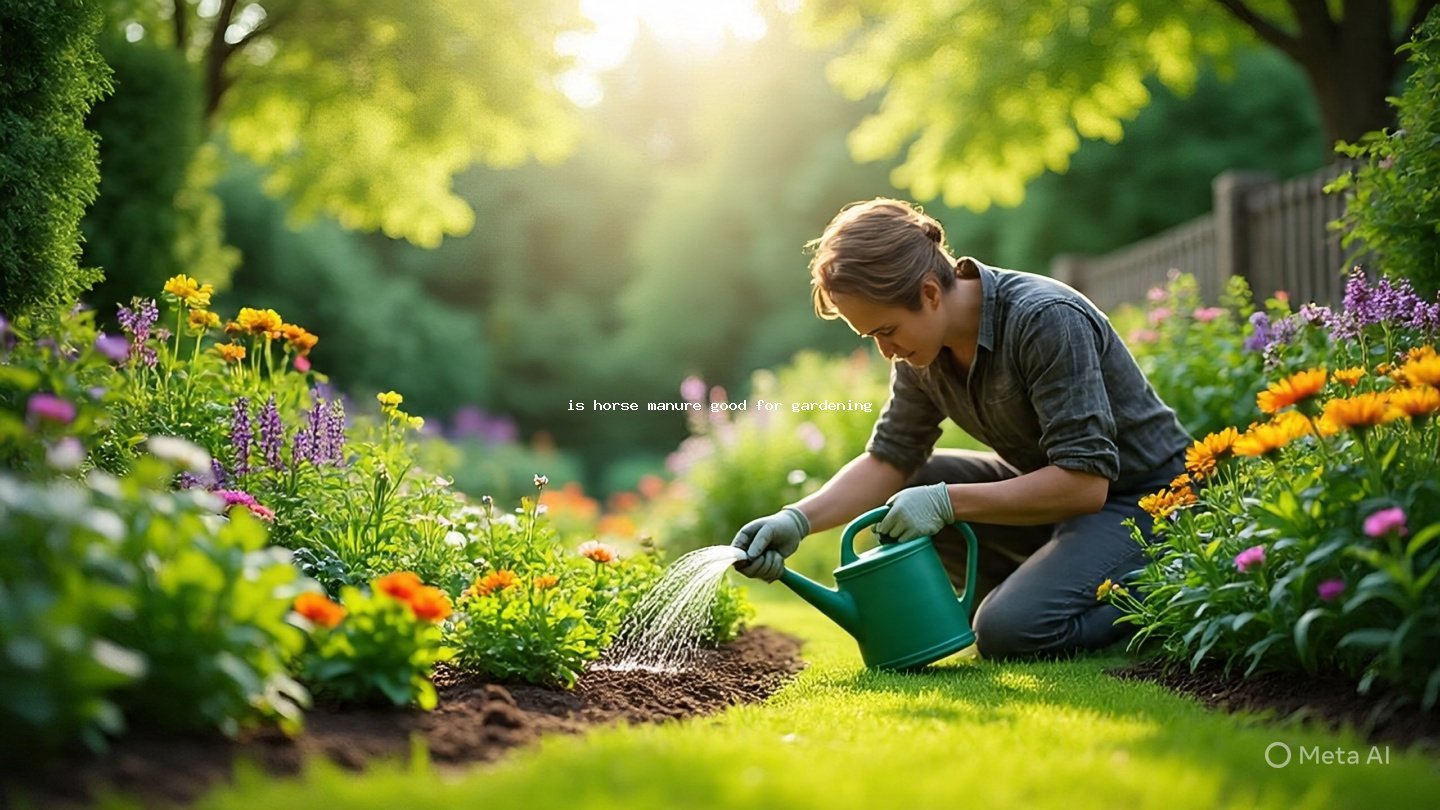
is horse manure good for gardening
Is Horse Manure Good for Gardening?
Every gardener dreams of a thriving oasis, a vibrant tapestry of green foliage, colourful blooms, and bountiful harvests. The secret to achieving this horticultural nirvana often lies beneath the surface, within the very soil we cultivate. For centuries, discerning gardeners and farmers alike have understood that healthy soil is the bedrock of a successful garden, and in this pursuit, organic amendments play an indispensable role. In a bustling city like Bengaluru, where garden space might be limited but enthusiasm boundless, optimising soil health becomes even more critical. We’re constantly seeking sustainable, effective, and often traditional methods to enrich our urban patches, balconies, and sprawling backyards. Among the myriad of organic options available, one stands out with a time-honoured legacy: animal manure. Specifically, horse manure has garnered significant attention and debate within the gardening community. Is it truly the “black gold” many claim it to be, or does it come with its own set of challenges?
The use of animal waste to fertilise crops dates back to ancient civilisations, a testament to its enduring efficacy. Modern science has only affirmed what generations of gardeners instinctively knew: manures are packed with essential nutrients, beneficial microbes, and organic matter that breathe life into tired soil. They are nature’s own slow-release fertilisers, improving soil structure, enhancing water retention, and fostering a robust ecosystem underground. For gardeners in Bengaluru, grappling with diverse soil types – from red loamy soils to more sandy patches – and the demands of a tropical climate, understanding and utilising such resources wisely can be a game-changer. Horse manure, readily available from the numerous stables and riding schools dotting the outskirts of our city, presents a compelling case as a powerful, natural soil amendment. Its unique composition and characteristics offer a wealth of benefits, but also necessitate careful handling and application. This comprehensive guide will delve deep into the world of horse manure, unraveling its nutritional profile, exploring its myriad advantages, addressing potential drawbacks, and equipping you with the knowledge to harness its power for a truly flourishing garden. Prepare to transform your gardening approach, one nutrient-rich scoop at a time, and discover why this ancient amendment might just be the secret ingredient your Bengaluru garden has been waiting for.
The Nutritional Powerhouse: What’s in Horse Manure?
Horse manure is more than just waste; it’s a treasure trove of organic matter and essential nutrients that can dramatically enhance soil fertility and structure. While often compared to other manures, horse manure possesses a unique profile that makes it particularly beneficial when understood and used correctly. Its composition isn’t fixed, varying based on the horse’s diet, age, and bedding material, but it generally offers a balanced array of macro and micronutrients crucial for plant growth.
Understanding NPK and Micronutrients
At the heart of any fertiliser analysis is the NPK ratio: Nitrogen (N), Phosphorus (P), and Potassium (K). These are the primary macronutrients plants need in significant quantities. Horse manure typically has an NPK ratio ranging from 0.4-0.6% nitrogen, 0.2-0.3% phosphorus, and 0.3-0.5% potassium. While these numbers might appear lower than some synthetic fertilisers, the key advantage of manure is its slow-release nature. The nutrients are bound within organic compounds, gradually breaking down and becoming available to plants over time, reducing the risk of nutrient leaching and providing sustained nourishment.
Beyond the big three, horse manure is rich in a host of vital micronutrients and secondary macronutrients. These include calcium, magnesium, and sulphur, which play critical roles in cell wall formation, chlorophyll production, and enzyme activity. Trace elements such as boron, copper, iron, manganese, molybdenum, and zinc are also present, albeit in smaller quantities, yet they are indispensable for various physiological processes within plants. The presence of these diverse elements ensures that plants receive a comprehensive nutritional diet, promoting robust growth, vibrant foliage, and improved fruit and flower production. This holistic nutrient delivery system is one of the most significant advantages of using organic amendments like horse manure over synthetic alternatives that often focus solely on NPK.
The Magic of Organic Matter and Soil Structure
Perhaps even more important than its nutrient content is the sheer volume of organic matter that horse manure introduces into the soil. Horse manure is particularly fibrous, thanks to the horse’s diet of hay and grass, and often contains bedding materials like straw, wood shavings, or sawdust. This high organic matter content is a game-changer for soil health.
In clayey soils, prevalent in many parts of Bengaluru, adding organic matter helps to break up the dense structure, improving aeration and drainage. It prevents compaction, allowing roots to penetrate deeper and access nutrients more effectively. For sandy soils, which struggle with water retention and nutrient leaching, organic matter acts like a sponge. It dramatically increases the soil’s water-holding capacity, meaning less frequent watering is needed – a boon in our often water-stressed climate. Furthermore, organic matter is the food source for a vast array of beneficial soil microorganisms – bacteria, fungi, protozoa, and nematodes. These microscopic workers decompose the organic material, making nutrients available to plants, suppressing diseases, and improving overall soil health. A soil rich in organic matter is a living, breathing ecosystem, resilient to environmental stresses and teeming with life. This fundamental improvement in soil structure and microbial activity is a long-term investment in your garden’s health, far surpassing the temporary boost offered by synthetic fertilisers.
Benefits Galore: Why Your Garden Will Love Horse Manure
Integrating composted horse manure into your gardening routine can unlock a cascade of benefits, transforming your soil into a fertile haven where plants not only survive but truly thrive. For Bengaluru gardeners, these advantages are particularly pertinent, addressing common challenges related to soil quality, water management, and sustainable practices.
Boosting Soil Health and Water Efficiency
One of the most immediate and profound impacts of horse manure is its ability to radically improve soil structure. As discussed, its high organic matter content acts as a powerful soil conditioner. For heavy clay soils, which can become waterlogged and compacted, horse manure helps to create larger pore spaces, enhancing drainage and aeration. This allows oxygen to reach plant roots and prevents the dreaded root rot. Conversely, for sandy soils that tend to be notoriously infertile and drain too quickly, horse manure acts like a binder, holding soil particles together and significantly increasing their water retention capacity. This means your plants stay hydrated longer, reducing the frequency of watering – a crucial consideration for water-conscious gardening in Bengaluru.
The influx of organic matter also fuels the soil’s microbial population. Beneficial bacteria, fungi, and other microorganisms break down organic materials, converting nutrients into forms readily available for plant uptake. They also play a vital role in suppressing plant diseases and promoting healthy root development. This vibrant underground ecosystem creates a “living soil” that is more resilient, fertile, and productive. The slow-release nature of nutrients in composted horse manure ensures a steady supply of food for your plants, promoting consistent growth rather than sudden spurts and crashes often associated with synthetic fertilisers. This sustained nourishment leads to stronger, healthier plants that are better equipped to resist pests and diseases.
A Sustainable Choice for Bengaluru Gardens
In an era where environmental consciousness is paramount, opting for horse manure is a powerful step towards sustainable gardening. Firstly, it represents a fantastic example of recycling agricultural waste. Instead of being a disposal problem, it becomes a valuable resource, closing the nutrient loop. For Bengaluru residents, horse manure is often a locally sourced product, available from stables and riding academies on the city’s periphery. This local sourcing significantly reduces the carbon footprint associated with transporting fertilisers over long distances.
Furthermore, by enriching your soil with horse manure, you can substantially reduce your reliance on synthetic chemical fertilisers. These manufactured products, while effective, often have hidden environmental costs, including energy-intensive production processes and potential for nutrient runoff into local water bodies, leading to eutrophication. Horse manure, being entirely natural, contributes to a healthier soil food web without these negative externalities. It builds long-term soil fertility, rather than offering a temporary fix. This commitment to organic amendments fosters a more robust and self-sustaining garden ecosystem, aligning perfectly with the principles of eco-friendly and responsible gardening. Embracing horse manure is not just good for your plants; it’s good for the planet, making your Bengaluru garden a beacon of sustainable living. https://ecorganicas.com/backyard-xeriscape-ideas/
Addressing the “Hot” Topic: Raw vs. Composted Horse Manure
When it comes to using horse manure in your garden, the distinction between raw (fresh) and composted manure is not merely academic; it is absolutely critical for the health and success of your plants. Misusing fresh manure can lead to significant problems, whereas properly composted manure is a gardener’s gold.
The Dangers of Fresh Manure Application
Fresh horse manure is often referred to as “hot” manure, and for good reason. Its high nitrogen content, while eventually beneficial, is initially too concentrated and in a form that plants cannot readily absorb without adverse effects. Applying raw horse manure directly to your garden beds can lead to several severe issues:
* Nutrient Burn: The high concentration of ammonia nitrogen in fresh manure can literally burn plant roots and foliage, causing wilting, scorching, and even death, especially in young seedlings or sensitive plants.
* Weed Seeds: Horses are not efficient digesters of seeds. Their digestive system often passes viable weed seeds unharmed. Applying fresh manure directly introduces countless weed seeds into your garden, turning your productive beds into a battleground against unwanted vegetation.
* Pathogens: Raw manure can contain harmful bacteria like E. coli and Salmonella, which pose health risks if they come into contact with edible crops. While thorough washing can mitigate some risk, composting is the most reliable way to neutralise these pathogens.
* Unpleasant Odour: Fresh manure has a strong, pungent smell due to ammonia and other volatile compounds. While this dissipates over time, it can be quite offensive, especially in urban gardening settings like Bengaluru.
* Slow Decomposition: The raw organic matter in fresh manure requires significant nitrogen from the soil for decomposition. This process, known as “nitrogen tie-up,” temporarily depletes the soil of available nitrogen, starving your plants.
Mastering the Composting Process for Optimal Results
The solution to all these problems lies in composting. Composting transforms raw manure into a stable, nutrient-rich, and plant-friendly amendment. The process involves creating an environment where microorganisms break down the organic material, generating heat that kills pathogens and weed seeds, and converting volatile nitrogen into stable forms.
Here’s how to effectively compost horse manure:
1. Build a Pile: Create a compost pile with layers of horse manure, bedding (straw, wood shavings), and other carbon-rich materials like dry leaves, shredded cardboard, or garden waste. Aim for a carbon-to-nitrogen ratio of roughly 25-30:1 for optimal decomposition. Horse manure itself is generally high in nitrogen, so balancing it with carbon is key.
2. Moisture is Key: The pile needs to be consistently moist, like a wrung-out sponge. Water the pile as you build it and regularly thereafter, especially during dry periods.
3. Aeration and Turning: This is crucial. Turn the compost pile regularly (every 1-2 weeks) to introduce oxygen. Aerobic decomposition is faster and produces less odour. Turning also ensures even heating throughout the pile.
4. Heat Generation: A properly managed compost pile will generate significant heat, often reaching temperatures of 55-70°C (130-160°F). These high temperatures are what kill most weed seeds and pathogens. Monitor the temperature with a compost thermometer.
5. Patience: Composting horse manure typically takes anywhere from 3 to 12 months, depending on the pile size, materials, and how frequently it’s turned. The manure is fully composted when it is dark brown, crumbly, has an earthy smell, and looks nothing like its original form.
By investing the time to properly compost horse manure, you eliminate the risks associated with fresh manure and unlock its full potential as a powerhouse soil amendment, ensuring your plants receive all the benefits without any of the drawbacks. https://ecorganicas.org/the-ultimate-guide-to-gardening-raised-beds-vegetable-growth/
Practical Application: How to Use Horse Manure in Your Garden
Once you have a supply of beautifully composted horse manure, the next step is knowing how and when to apply it for maximum benefit. Proper application ensures your plants thrive and your soil remains healthy, making the most of this valuable resource.
Timing and Techniques for Different Garden Areas
The timing of application is crucial. In general, it’s best to apply composted horse manure during the dormant season, typically in late autumn or early winter, allowing it to further integrate into the soil over the cooler months. This gives the nutrients ample time to become available for spring planting. For existing garden beds, a light application in early spring, a few weeks before planting, can also be beneficial.
* Vegetable Beds: For annual vegetable beds, spread a 2-4 inch layer of composted horse manure over the soil surface and gently work it into the top 6-8 inches of soil using a spade or tiller. This provides a rich, fertile base for your hungry vegetable plants. Ensure this is done well before planting to allow the soil to settle and the nutrients to integrate.
* Flower Beds and Shrubs: For perennial flower beds and around established shrubs, a 1-2 inch layer applied as a top-dressing or mulch is excellent. It slowly releases nutrients, improves water retention, and helps suppress weeds. Keep the manure a few inches away from the stems or trunks to prevent rot.
* Trees: Mature fruit and shade trees can benefit from a layer of composted manure spread around their drip line (the area directly under the outer circumference of the branches). Avoid piling it directly against the trunk.
* New Lawns or Seeding: If you’re establishing a new lawn or overseeding, a thin layer (0.5-1 inch) of finely screened composted manure can be lightly raked into the topsoil before seeding.
* Container Plants: Use composted horse manure sparingly in potting mixes for container plants. A ratio of 1 part manure to 4-5 parts potting mix is generally sufficient, as containers have limited drainage and can become overly rich.
When applying, always ensure the manure is fully composted. It should be dark, crumbly, and have an earthy smell, completely devoid of any strong ammonia odour or visible fresh manure characteristics.
Creating a Nutrient-Rich Manure Tea
Manure tea is an excellent way to provide a quick nutrient boost to plants, especially those in containers or plants that are heavy feeders during their growth cycle. It’s also a gentler way to feed seedlings or delicate plants.
* Preparation: Place about 1-2 scoops of composted horse manure into a burlap sack, old pillowcase, or a porous fabric bag. Submerge this bag into a bucket of water (around 5 gallons/20 litres).
* Steeping: Let the manure steep for 24-48 hours. Stir the mixture occasionally to aid nutrient extraction. The water will turn a brownish colour, resembling weak tea.
* Dilution: Once steeped, remove the manure bag (you can add the solids directly to your compost pile or garden bed). The resulting “tea” is concentrated, so dilute it with water until it resembles weak iced tea. A common dilution ratio is 1 part manure tea to 5-10 parts water, depending on the plant’s needs and sensitivity.
* Application: Use the diluted manure tea to water your plants. It provides a quick burst of soluble nutrients, promoting vigorous growth and flowering. It’s particularly useful for foliar feeding, though always test on a small section first. For best results, use it within a day or two of preparation.
By employing these practical application techniques, you can ensure that your Bengaluru garden reaps all the incredible benefits of composted horse manure, leading to healthier soil and more productive plants. https://ecorganicas.com/garden-tips/
Potential Pitfalls and Precautions: What to Watch Out For
While composted horse manure is a phenomenal asset for any gardener, it’s essential to be aware of potential pitfalls and take necessary precautions. Understanding these challenges allows you to mitigate risks and ensure the safety and success of your gardening efforts.
Mitigating Weed Seeds and Pathogen Risks
Even with proper composting, some persistent weed seeds can survive the composting process. While the high temperatures of a well-managed pile kill most, certain hardy seeds might remain viable. This is why knowing your manure source is important. If the horses graze on fields heavily infested with specific weeds, there’s a higher chance of those seeds appearing. To mitigate this:
* Thorough Composting: Ensure your compost pile reaches and maintains optimal temperatures (55-70°C) for several days, and turn it frequently to expose all parts of the pile to the heat.
* Screening: For sensitive applications or if you’re particularly concerned, you can screen your finished compost through a fine mesh to remove any larger weed seeds that might have survived.
* Observe and Remove: Be vigilant. If new weeds appear after application, remove them promptly to prevent them from establishing and reseeding.
Pathogens like E. coli and Salmonella are a significant concern with raw manure. While composting effectively eliminates most of these harmful bacteria, it’s always wise to exercise caution, especially when growing edible crops:
* Compost Thoroughly: As stressed before, never use fresh manure on edible plants. Always ensure it’s fully composted.
* Avoid Direct Contact: When applying composted manure, try to work it into the soil rather than leaving large quantities directly on plant leaves or fruits.
* Wash Produce: Always thoroughly wash all fruits and vegetables from your garden before consumption, regardless of whether you’ve used manure or not. This is a fundamental food safety practice.
* Gloves and Hygiene: Wear gloves when handling manure and practice good hand hygiene by washing your hands thoroughly after working in the garden.
The Hidden Dangers of Herbicide Contamination
One of the most insidious and damaging issues associated with horse manure can be herbicide contamination, specifically from persistent herbicides. These are broadleaf herbicides, often containing active ingredients like aminopyralid, clopyralid, or picloram, used on pastures and hayfields to control weeds. These herbicides can pass through a horse’s digestive system largely intact and remain active in their manure, even after composting.
Symptoms of herbicide contamination in plants include:
* Distorted, cupped, or curled leaves.
* Stunted growth.
* Misshapen fruits or flowers.
* Failure of seeds to germinate or seedlings to thrive.
The crucial precaution here is to know your source. If you are sourcing manure from local stables in Bengaluru, inquire about the feeding practices and if any herbicides are used on their pastures or hay. Ideally, obtain manure from stables that feed their horses organically grown hay or have a strict policy against using persistent herbicides. If you’re unsure, it’s always best to perform a “bioassay” test:
* Bioassay Test: Mix a small amount of the suspect composted manure with potting soil. Plant a few sensitive indicator plants like beans, peas, or tomatoes in this mixture, and also in a control pot with just potting soil. Observe their growth over a few weeks. If the plants in the manure mix show any signs of distortion or stunted growth, do not use that batch of manure in your garden. https://ecorganicas.org/the-ultimate-guide-to-gardening-radishes-tips-and-tricks-for-a-thriving-garden/
By being aware of these potential pitfalls and taking the necessary precautions, you can confidently integrate horse manure into your gardening practices, enjoying its many benefits while safeguarding your plants and your health.
Comparing Organic Soil Amendments
Choosing the right soil amendment can be daunting with so many options available. Here’s a comparison of composted horse manure with other popular choices for Bengaluru gardeners, highlighting their key characteristics.
| Amendment | Typical NPK Ratio (Approx.) | Organic Matter Content | Cost (Relative) | Ease of Use | Specific Benefits |
|---|---|---|---|---|---|
| Composted Horse Manure | 0.6-0.3-0.5 | High (25-35%) | Low to Medium (often free/cheap locally) | Easy (after composting) | Excellent soil conditioner, slow-release nutrients, improves water retention, local and sustainable. |
| Composted Cow Manure | 0.5-0.2-0.4 | Medium to High (20-30%) | Low to Medium (widely available) | Easy (after composting) | Gentler than horse manure, good all-purpose conditioner, less “hot” when fresh, improves microbial life. |
| Vermicompost (Worm Castings) | 1.0-0.5-0.8 | Very High (30-50%) | High | Very Easy (ready to use) | Rich in microbes, growth hormones, enzymes; excellent for seedlings & containers; no burning risk. |
| Green Manure (e.g., Dhaincha, Sunn Hemp) | Variable (depends on crop) | High (when incorporated) | Low (seed cost) | Medium (requires growing and tilling) | Fixes nitrogen (legumes), adds biomass, suppresses weeds, prevents erosion, improves soil structure. |
| Synthetic Fertilizers (e.g., DAP, Urea) | High (e.g., 18-46-0 for DAP) | None | Medium | Very Easy (mix with water/spread) | Fast-acting, precise nutrient delivery; but no soil structure benefits, potential for runoff. |
Expert Tips for Using Horse Manure in Your Garden
To truly leverage the power of horse manure and avoid common pitfalls, follow these expert tips tailored for the Bengaluru gardener:
1. Always Compost Thoroughly: This is non-negotiable. Fresh manure is too “hot” and can burn plants, introduce weed seeds, and carry pathogens. Aim for a minimum of 6 months to a year of composting.
2. Know Your Source: Enquire about the horse’s diet and any herbicides used on their pastures or hay. Avoid manure from horses fed hay treated with persistent herbicides.
3. Perform a Bioassay Test: If unsure about herbicide contamination, conduct a simple test with sensitive plants like beans or tomatoes before widespread use.
4. Balance with Carbon: When composting, mix horse manure (high nitrogen) with carbon-rich materials like straw, dry leaves, or wood shavings for efficient decomposition and a balanced final product.
5. Apply During Dormant Season: For best results, incorporate composted manure into vegetable beds in late autumn or early winter, allowing it to fully integrate before spring planting.
6. Use as a Top-Dressing/Mulch: For established perennials, shrubs, and trees, a 1-2 inch layer of composted manure as a mulch provides slow-release nutrients and conserves moisture.
7. Dilute for Containers: When using in container mixes, ensure the composted manure constitutes no more than 15-20% of the total potting mix to prevent over-fertilisation and ensure proper drainage.
8. Make Manure Tea: For a quick nutrient boost or for sensitive plants, prepare a diluted manure tea. It’s excellent for foliar feeding or watering.
9. Integrate with Other Amendments: Combine composted horse manure with other organic amendments like vermicompost, coir pith, or leaf mould for a truly diverse and balanced soil ecosystem.
10. Practice Good Hygiene: Always wear gloves when handling manure and wash your hands thoroughly afterwards. Wash all garden produce before consumption.
Frequently Asked Questions (FAQ)
Q: Can I use fresh horse manure directly in my garden?
A: No, absolutely not. Fresh horse manure is “hot” due to high nitrogen content, which can burn plant roots. It also often contains viable weed seeds and potentially harmful pathogens like E. coli. Always compost horse manure thoroughly before adding it to your garden beds.
Q: How long does horse manure need to compost before it’s safe to use?
A: The composting time can vary, but generally, horse manure should be composted for at least 3-6 months, and ideally 6-12 months, especially if you want to ensure most weed seeds and pathogens are eliminated. The finished compost should be dark, crumbly, and smell earthy, not like fresh manure.
Q: Is horse manure safe for all types of plants?
A: Once fully composted, horse manure is generally safe and beneficial for most plants, including vegetables, fruits, flowers, shrubs, and trees. However, always ensure it’s well-rotted and avoid direct contact with very young seedlings or extremely sensitive plants to prevent any potential burning, even from composted material.
Q: Where can I source horse manure in Bengaluru?
A: In Bengaluru, you can typically find horse manure at riding schools, private stables, and equestrian centres located on the outskirts of the city. Farms that keep horses might also be a source. It’s often available for free or at a very low cost. Always inquire about their feeding practices to avoid herbicide-contaminated manure.
Q: Does horse manure attract pests or diseases to the garden?
A: Properly composted horse manure generally does not attract pests or diseases. In fact, it can improve soil health, making plants more resilient to pests. Fresh manure, however, might attract flies due to its odour and organic matter, and can harbour pathogens. This is another reason why composting is crucial.
Q: What’s the best way to store horse manure if I can’t compost it immediately?
A: If you can’t compost it right away, store fresh horse manure in a designated area away from your main garden beds and water sources. Ideally, cover it to prevent nutrient runoff and excessive drying. Begin building a proper compost pile as soon as possible to start the decomposition process effectively. https://ecorganicas.org/the-ultimate-guide-to-gardening-raised-beds-vegetable-growth/
Horse manure, when properly managed, is an unparalleled asset for any gardener, particularly in Bengaluru’s unique climate and soil conditions. It’s a testament to nature’s cycles, offering a sustainable, cost-effective, and incredibly powerful way to enrich your soil and cultivate a flourishing garden. By understanding its nutritional profile, mastering the art of composting, and applying it wisely, you can transform your gardening success.
We hope this comprehensive guide has demystified the use of horse manure and empowered you with the knowledge to incorporate it into your gardening practices. For a handy, printable reference of all these tips and more, be sure to download our exclusive PDF guide:
📥 Download Complete Guide
. And to find all the essential tools, composting bins, and organic gardening supplies you’ll need to get started, visit our online shop today:
Shop Now
. Happy gardening! https://ecorganicas.com/gardening-quiz-challenge/


