Introduction to Ranunculus
The ranunculus, scientifically known as Ranunculus asiaticus, is a flower revered for its striking beauty and captivating forms. Belonging to the Ranunculaceae family, this versatile genus comprises over 400 species, each showcasing a unique blend of vibrant colors and intricate petal arrangements. Commonly referred to as the ‘buttercup,’ a name it shares with the well-known meadow flower, ranunculus has secured its place in both professional floral arrangements and home gardens worldwide. For more inspiration on sustainable gardening, visit Ecorganicas.
Originating from areas around the Mediterranean, ranunculus flowers are drought-tolerant and thrive in climates that replicate their native conditions. Their botanical traits exhibit brilliant, multi-layered petals that resemble miniature roses or Peonies, making them a favorite amongst florists for DIY backyard wedding ideas, centerpieces, and floral displays.
Gardeners appreciate ranunculus for its ease of cultivation and extended blooming period. Typically planted from tubers or corms, these flowers prefer well-drained soil and a sunny location to achieve optimal growth. Often admired for their broad spectrum of colors, from soft pastels to vivid hues, ranunculus flowers add a picturesque touch to any garden layout.
Types of Ranunculus
Renowned for their captivating allure, ranunculus species span a diverse range of forms and colors. Persian Buttercups are celebrated for their intricate layers of delicate petals, which resemble tight peonies or roses. Because they are drought-tolerant, they are often featured in backyard xeriscape ideas for water-conscious gardeners.
Care and Maintenance
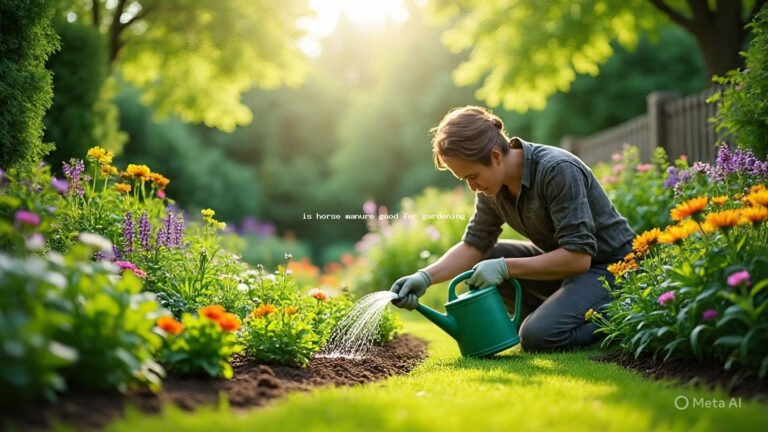
During the growing season, ranunculus requires consistent watering, ensuring the soil remains moist but not waterlogged. Mulching can help retain soil moisture and regulate temperature. For more expert advice on maintaining your plants, check out our latest garden tips. Regular feeding with a balanced fertilizer, such as homemade manure, can encourage prolific blooming.
Pests and Diseases
Ranunculus plants, like many others, are susceptible to pests and diseases. Common pests include aphids, spider mites, and snails. Think you know everything about protecting your plants? Test your knowledge with our gardening quiz challenge!
Optimal Conditions for Ranunculus
Ranunculus is renowned for its captivating, multi-petaled blooms that add a burst of color to any garden. However, to achieve optimal growth and vibrant flowers, proper environmental conditions are paramount. Native to regions with mild and Mediterranean climates, ranunculus thrives best when grown in areas that provide moderate temperatures and specific humidity levels. By adhering to these optimal conditions, gardeners can enjoy the stunning beauty of ranunculus, ensuring an impressive and vibrant display in their gardens.