
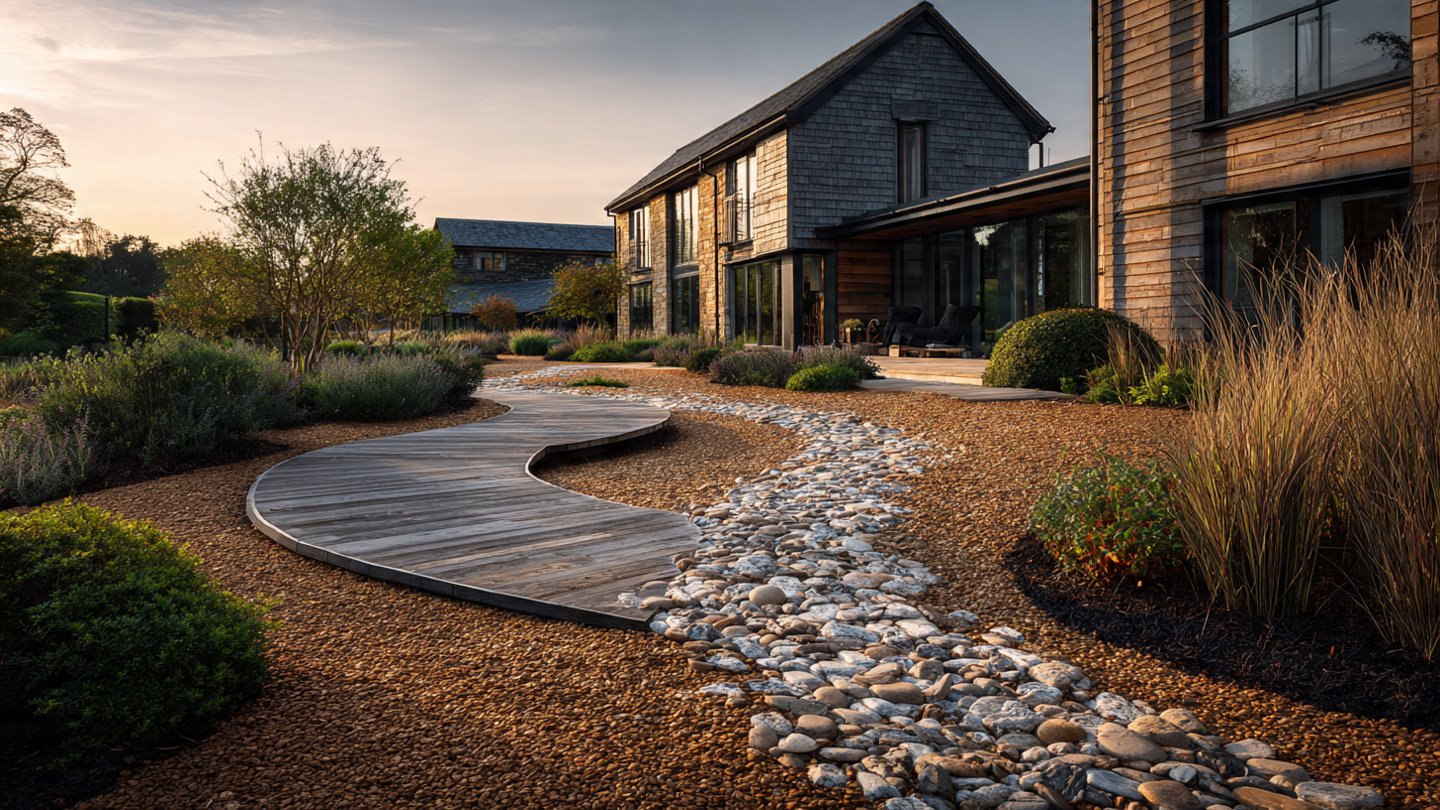
A sloped backyard presents both challenges and opportunities for creative landscaping. Retaining walls are essential for managing erosion, creating usable space, and adding visual interest to your property. In this guide, we’ll explore retaining wall ideas for sloped backyard designs, offering inspiration and practical tips to help you make the most of your outdoor terrain.
## Why Install a Retaining Wall?
Retaining walls serve several important functions:
– **Erosion Control:** Prevent soil runoff and stabilize slopes.
– **Maximize Usable Space:** Create terraces for gardening, seating, or play areas.
– **Aesthetic Appeal:** Add texture, color, and structure to your landscape.
– **Increase Property Value:** Well-designed walls enhance curb appeal and functionality.
## Planning Retaining Walls for a Sloped Backyard
Before starting, consider these steps:
### 1. Assess Your Slope
– Measure the grade and identify areas with erosion or drainage issues.
– Note sun/shade patterns and existing features.
– Determine the purpose of each wall—support, planting, seating, or pathways.
### 2. Set a Budget
– Retaining wall costs vary by material, size, and complexity.
– Include expenses for excavation, drainage, permits, and landscaping.
### 3. Check Local Regulations
– Research building codes, property lines, and permit requirements.
– Plan for proper drainage and water runoff management.
## Retaining Wall Ideas for Sloped Backyard
Explore these creative options to transform your slope into a stunning landscape:
### 1. Stone Retaining Walls
Natural stone walls blend beautifully with gardens and offer timeless durability.
– **Materials:** Fieldstone, flagstone, or stacked stone.
– **Design Tip:** Use irregular shapes for a rustic look or cut stones for a formal style.
### 2. Concrete Block Retaining Walls
Concrete blocks (CMUs) are versatile, strong, and available in various colors and textures.
– **Benefits:** Easy to install, modular, and customizable.
– **Design Tip:** Combine smooth and split-faced blocks for added dimension.
### 3. Timber Retaining Walls
Pressure-treated wood or landscape timbers create a warm, natural feel.
– **Benefits:** Affordable and easy for DIY projects.
– **Design Tip:** Stagger timbers and reinforce with deadman anchors for stability.
### 4. Gabion Retaining Walls
Gabions are wire cages filled with rocks, providing a modern, industrial look.
– **Benefits:** Excellent drainage, unique texture.
– **Design Tip:** Mix stone sizes and colors or add greenery between cages.
### 5. Brick Retaining Walls
Classic brick walls offer charm and durability for traditional landscapes.
– **Benefits:** Long-lasting, low maintenance.
– **Design Tip:** Use herringbone or running bond patterns for visual interest.
### 6. Tiered Retaining Walls
Divide your slope into multiple terraces for planting, seating, or pathways.
– **Benefits:** Maximizes usable space, creates levels for different activities.
– **Design Tip:** Vary materials and heights for a dynamic effect.
### 7. Living Retaining Walls
Incorporate plants directly into the wall structure for a lush, green appearance.
– **Materials:** Modular blocks with planting pockets or gabion cages with soil.
– **Design Tip:** Use succulents, ferns, or trailing vines for easy care.
### 8. Curved Retaining Walls
Break away from straight lines with gentle curves that follow the natural contour of your slope.
– **Benefits:** Softer look, blends with landscape.
– **Design Tip:** Use flexible materials like stone or concrete blocks.
### 9. Boulder Retaining Walls
Large boulders stacked to form walls create a dramatic, organic feel.
– **Benefits:** Natural drainage, rustic beauty.
– **Design Tip:** Combine with native plants and groundcovers.
### 10. Mixed Material Retaining Walls
Combine wood, stone, and metal for a unique, contemporary design.
– **Benefits:** Customizable, fits modern or eclectic styles.
– **Design Tip:** Use metal accents or lighting for added interest.
## Design Tips for Retaining Walls
– **Layered Planting:** Add shrubs, flowers, or grasses above and below walls for color and erosion control.
– **Built-In Seating:** Integrate benches or steps into the wall for functional outdoor living.
– **Lighting:** Install solar or LED lights for safety and ambiance.
– **Water Features:** Incorporate fountains or streams for soothing sounds and movement.
– **Pathways:** Connect terraces with stone steps or gravel paths.
## Maintenance Tips for Retaining Walls
– **Inspect Regularly:** Look for cracks, bulges, or drainage issues.
– **Clean Debris:** Remove leaves and dirt to prevent blockages.
– **Reinforce as Needed:** Check anchors, drainage pipes, and wall stability.
– **Prune Plants:** Keep greenery trimmed for healthy growth and visibility.
## Common Mistakes to Avoid
– **Ignoring Drainage:** Poor drainage can cause wall failure—install weep holes or pipes.
– **Underestimating Soil Pressure:** Build walls to withstand lateral force and use proper reinforcement.
– **Skipping Permits:** Always check local codes before building.
– **Choosing Inadequate Materials:** Use durable, weather-resistant options suited to your climate.
## Retaining Wall Ideas for Small Sloped Backyards
– Use short walls or terraces to create intimate garden zones.
– Opt for modular blocks or timber for easy installation.
– Integrate vertical gardens or container plants for color.
– Add compact seating or fire pits for multi-use spaces.
## Final Thoughts: Transform Your Sloped Backyard
Retaining walls can turn a challenging slope into a beautiful, functional landscape. With these retaining wall ideas for sloped backyard designs, you’ll create terraces for gardening, entertaining, and relaxation. Start with a plan, choose the right materials, and enjoy a stunning outdoor space for years to come.
Ready to get started? Assess your slope, gather inspiration, and work with professionals or DIY resources to build your perfect retaining wall.

![How to care for [specific plant or flower]?](https://ecorganicas.com/wp-content/uploads/2024/04/The-Ultimate-Guide-to-Caring-for-Orchids-Tips-and-Tricks-by-768x461.jpg)