
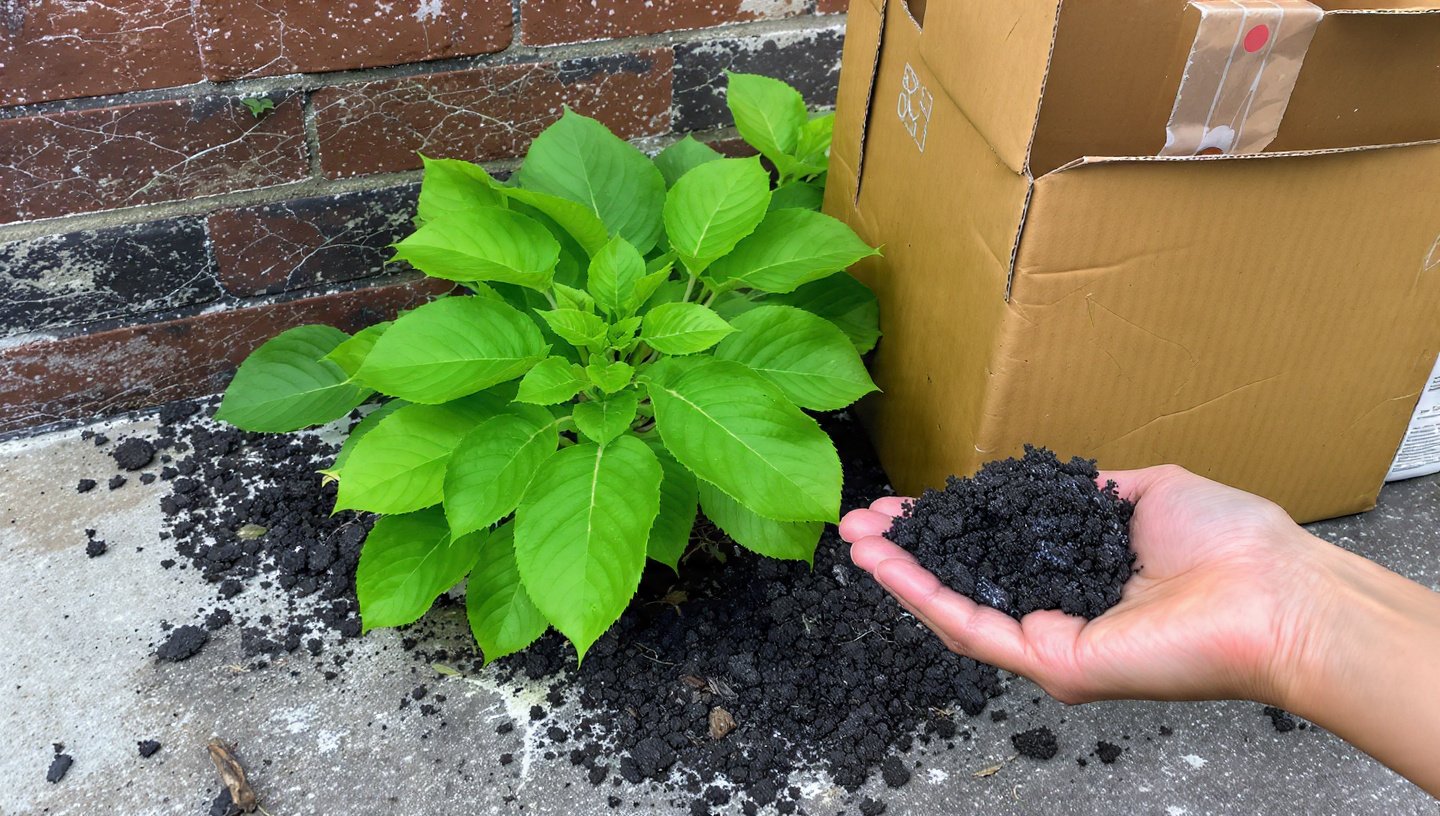
How to Create Homemade Manure Using Cardboard Boxes: A Complete Guide
Do you have a growing pile of empty Amazon, Flipkart, and other delivery boxes cluttering your home? Instead of sending them to landfills, you can transform these cardboard containers into nutrient-rich homemade manure that will supercharge your garden soil. With e-commerce delivery services generating unprecedented amounts of cardboard waste, learning to compost these materials represents a powerful sustainable solution that benefits both your garden and the planet.
Composting cardboard might seem unconventional, but it’s a practice gaining traction among gardeners and environmental enthusiasts alike. Cardboard waste makes up over 31% of landfill content, according to the United States Environmental Protection Agency . By redirecting your delivery boxes to the compost pile instead of the trash, you’re participating in a circular economy that turns waste into a valuable resource.
This comprehensive guide will walk you through every step of creating homemade manure from cardboard boxes, explaining the science, methods, and troubleshooting tips you need for successful composting. Whether you’re an urban gardener with limited space or a seasoned composter looking to expand your materials repertoire, you’ll find practical techniques to implement immediately.
Why Compost Cardboard Boxes? Environmental and Garden Benefits
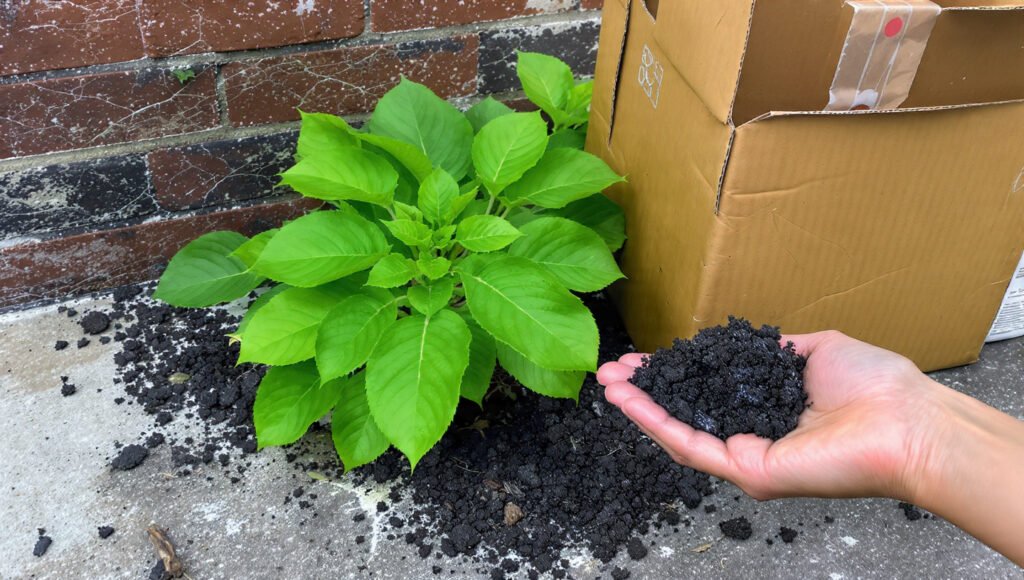
Before diving into the “how-to,” it’s important to understand the “why.” Composting cardboard delivery boxes offers multiple advantages that extend beyond your garden borders:
- Reduces landfill waste: Every cardboard box you compost is one less item occupying precious landfill space. When cardboard decomposes in landfills, it releases methane, a greenhouse gas approximately twenty-five times more potent than carbon dioxide . By composting instead, you’re directly contributing to emission reduction.
- Improves soil structure: The compost created from cardboard becomes a nutrient-rich soil amendment that enhances soil fertility and structure . This biologically stable material helps soil retain moisture while improving drainage—a seemingly contradictory but valuable quality that helps plants thrive in various conditions.
- Saves money: Creating your own manure from waste materials eliminates the need to purchase commercial fertilizers and soil amendments. This reduces gardening expenses while providing your plants with organic, chemical-free nutrition .
- Completes the natural cycle: Composting represents nature’s way of recycling, transforming waste streams into beneficial, value-added soil amendments that protect the environment and create resilient ecosystems .
For businesses, composting cardboard boxes can also reduce waste disposal costs while demonstrating environmental commitment that enhances brand image . But even for individual households, the collective impact of these small actions can be substantial when adopted widely.
Understanding Which Cardboard Materials Work Best
Not all cardboard is created equal when it comes to composting. Understanding the different types will help you select the right materials and avoid potential contaminants:
Ideal Cardboard for Composting:
- Corrugated cardboard from shipping boxes (Amazon, Flipkart, etc.) is ideal for composting because of its plain composition and lack of chemical treatments .
- Flat cardboard like cereal boxes and shoe boxes can be composted, though you should remove any plastic windows or liners .
- Uncoated cardboard with minimal ink, particularly those printed with black ink (which is typically vegetable-based) .
Cardboard to Avoid:
- Wax-coated cardboard often used for produce or frozen food boxes doesn’t break down easily in home composting systems .
- Cardboard with colorful inks may contain heavy metals, so it’s safer to exclude these from your compost .
- Cardboard contaminated with grease, oil, or food residue should be avoided as it can attract pests and create imbalances in your compost.
Always remove plastic tape, labels, and non-paper packing materials before composting cardboard boxes, as these won’t break down and can introduce plastics into your compost . Taking a few moments to properly prepare your materials prevents problems later in the composting process.
Preparing Your Cardboard for Composting

Proper preparation is crucial for efficient decomposition of cardboard in your compost system. Follow these steps to ensure your cardboard breaks down effectively:
- Remove contaminants: Take off all tape, stickers, plastic windows, and labels. These materials won’t decompose and can contaminate your finished compost with microplastics and other undesirable elements .
- Shred or tear cardboard: Break down boxes into small pieces, ideally 1-2 inches in size. Smaller pieces create more surface area for microorganisms to work on, significantly speeding up decomposition. You can use:
- Hand tearing
- Scissors or box cutters
- Paper shredder (for thinner cardboard)
- Garden shredder (for heavier corrugated cardboard)
- Soak if desired: Some composters recommend soaking cardboard in water with a small amount of liquid detergent to help jumpstart the decomposition process . While not strictly necessary, this can be particularly helpful with thicker cardboard pieces.
- Store prepared cardboard: Keep a container of shredded cardboard near your compost system so you can easily add it as needed when you incorporate food scraps or other nitrogen sources.
The extra effort you put into preparation will pay dividends through faster decomposition and more uniform compost. Well-prepared cardboard can break down in as little as 2-3 months in an active compost system, compared to 6+ months for intact boxes.
Two Effective Methods for Composting Cardboard
Method 1: Traditional Backyard Composting
This approach incorporates cardboard into a standard compost pile or bin, making it ideal for gardeners with outdoor space.
Equipment Needed:
- Compost bin or designated compost area
- Pitchfork or aerating tool
- Water source
- Shredded cardboard
- Nitrogen-rich materials (food scraps, grass clippings, etc.)
- Soil or finished compost as starter
Step-by-Step Process:
- Create a base layer: Start with a 4-inch layer of coarse browns like twigs or wood chips at the bottom of your compost bin to absorb liquids and improve air circulation .
- Layer your materials: Add layers in the following sequence:
- Maintain proper ratio: Continue layering, maintaining a carbon (browns) to nitrogen (greens) ratio of approximately 2:1 to 3:1. Cardboard is a carbon-rich material, so it needs nitrogen sources to balance the decomposition process . If your pile becomes too dry or decomposes slowly, add more greens. If it develops odors, add more shredded cardboard.
- Moisten and aerate: Water each layer lightly as you build your pile until it has the consistency of a wrung-out sponge . Turn the compost with a pitchfork every 5-7 days to introduce oxygen, which speeds up decomposition and prevents anaerobic conditions .
- Monitor and maintain: A well-maintained compost pile will heat up to temperatures between 130°F and 160°F in the center, indicating active decomposition . If the pile isn’t heating up, try adding more nitrogen materials, turning more frequently, or adjusting moisture levels.
Method 2: Cardboard Box Composter (Composting in a Box)
This innovative approach uses a cardboard box itself as the compost container, making it perfect for apartment dwellers or those with limited space.
Equipment Needed:
- Large cardboard box (approximately 18x24x18 inches or larger)
- Duct tape or strong adhesive tape
- Peat-free soil
- Shredded newspaper
- Kitchen scraps
- Water spray bottle
Step-by-Step Process:
- Reinforce the box: Use duct tape to strengthen the bottom and seams of your cardboard box. This extends the life of your composter, which will gradually break down from the inside while containing your compost materials .
- Create the base mixture: Combine soil, shredded newspaper, and some already decomposed compost if available. Add this mixture to the bottom of your box, creating a base layer 3-4 inches deep .
- Add compostable materials: Mix in your kitchen scraps (vegetable peels, fruit scraps, coffee grounds, crushed eggshells) with the bedding material. Always bury food scraps beneath the carbon materials to deter pests and control odors .
- Maintain your composter:
- Harvest compost: In approximately 2-3 months, the bottom and center of your box will transform into dark, crumbly compost. The box itself will begin to decompose, at which point you can add it to another compost system or break it down further in place.
Troubleshooting Common Cardboard Composting Issues
Even with careful attention, you may encounter challenges when composting cardboard. Here are solutions to common problems:
- Slow decomposition: If your cardboard isn’t breaking down, the pile may be too dry, lack nitrogen, or need more aeration. Solution: Turn the pile, add water if dry, and incorporate more green materials like fresh grass clippings or food scraps to boost nitrogen content .
- Foul odors: Unpleasant smells typically indicate anaerobic conditions (lack of oxygen) or too much nitrogen. Solution: Turn the pile more frequently to introduce oxygen and add more shredded cardboard to balance excess nitrogen .
- Pest problems: Rodents and insects are attracted to compost piles that contain animal products or have food scraps exposed. Solution: Never add meat, dairy, or oily foods to your compost. Always bury food scraps under at least 8 inches of carbon materials like shredded cardboard .
- Dry compost: Cardboard can create a hydrophobic (water-repelling) barrier if allowed to dry out completely. Solution: Soak cardboard before adding, and water your compost pile regularly, especially in dry weather. Turn the pile to distribute moisture evenly .
- Matting formation: Cardboard pieces sometimes stick together, forming impenetrable mats that resist decomposition. Solution: Shred cardboard into smaller pieces (no larger than 2 inches), mix thoroughly with greens, and turn the pile regularly to prevent matting.
Harvesting and Using Your Cardboard-Based Compost
Knowing when your compost is ready and how to use it effectively completes the cycle from waste to resource:
Identifying Finished Compost:
Your cardboard compost is ready when it’s:
- Dark and crumbly with an earthy smell
- Cool to the touch (no longer generating heat)
- Mostly decomposed with only small fragments of cardboard visible
- Reduced to about one-third of its original volume
The curing process typically takes 2-8 months depending on your method, climate, and how actively you maintain the pile. The box composter method generally takes 2-3 months, while traditional compost piles with substantial cardboard content may take 4-8 months.
How to Use Your Homemade Manure:
- Soil amendment: Mix finished compost into garden beds at a ratio of approximately 30% compost to 70% native soil before planting. This improves soil structure, water retention, and nutrient content.
- Top dressing: Spread a 1/2 to 1-inch layer around existing plants, being careful not to pile it directly against stems. This slowly releases nutrients with each watering.
- Potting mix addition: Combine with soil and other components like perlite or sand to create nutrient-rich potting mix for container gardens (use 25% compost in your mix).
- Lawn tonic: Create compost tea by steeping finished compost in water for 24-48 hours, then strain and use the liquid to feed lawns and garden plants.
- Mulch alternative: Use partially decomposed compost with visible cardboard pieces as a weed-suppressing mulch that will continue breaking down while enriching soil.
Conclusion: Turning Packaging Problems into Gardening Solutions
The journey from cardboard box to homemade manure represents one of the most practical and impactful sustainable practices available to households today. Each delivery box you transform into nutrient-rich compost represents a small victory against our waste crisis—a step toward closing the consumption loop that too often moves in only one direction: from manufacturer to landfill.
As e-commerce continues to grow, with Amazon alone having avoided 4.2 million metric tons of packaging materials since 2015 through various reduction initiatives , our collective responsibility to handle this packaging responsibly grows accordingly. By embracing cardboard composting, we align ourselves with forward-thinking companies and sustainability principles that prioritize resource regeneration over waste accumulation.
The simple act of composting cardboard boxes connects us to deeper ecological cycles while producing tangible benefits for our gardens. This practice demonstrates that the materials we often view as waste are, in reality, resources out of place—valuable inputs waiting to be redirected toward productivity.
Start small with a single box composter on your balcony, or commit to integrating cardboard into your existing compost system. However you begin, you’re taking meaningful action toward waste reduction, soil health, and a more sustainable relationship with our planet’s resources. Your garden—and the Earth—will thank you for it.
Have you tried composting cardboard boxes? Share your experiences and questions in the comments below!