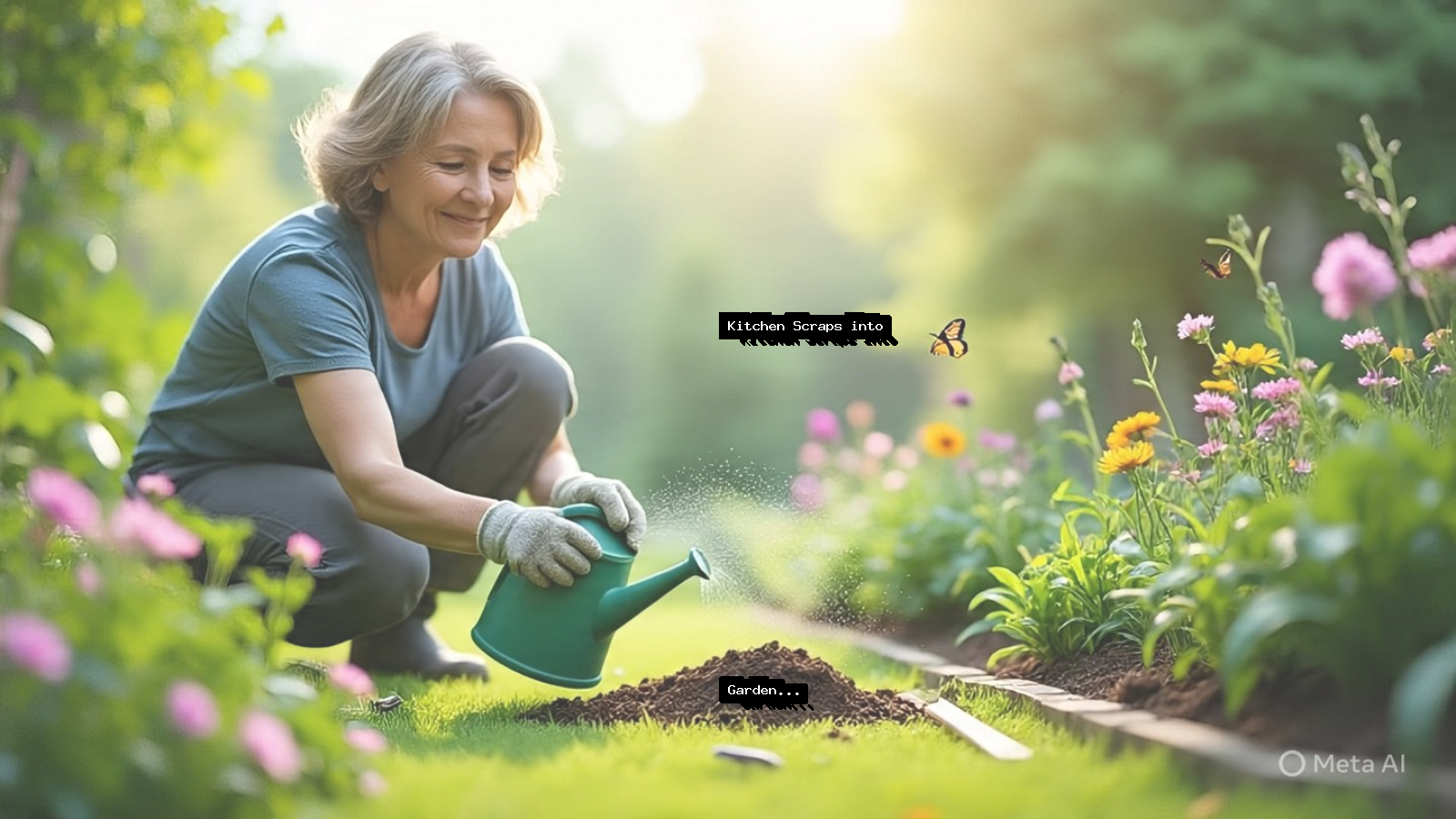
In the world of organic gardening, there is no resource more valuable than “black gold”—high-quality, nutrient-dense compost. While many gardeners rely on store-bought fertilizers, the most potent soil amendment can be created right in your backyard using materials that most people consider trash. Composting is the natural process of recycling organic matter, such as leaves and food scraps, into a valuable fertilizer that can enrich soil and plants. By mastering the science of composting, you not only reduce your household waste by up to 30% but also build a resilient garden ecosystem that thrives without synthetic chemicals.
The Science of the Compost Pile
Successful composting is a balancing act between four key elements: Nitrogen (Greens), Carbon (Browns), Oxygen, and Water. The microorganisms responsible for decomposition need a balanced diet to work efficiently. Too much nitrogen and your pile will smell; too much carbon and decomposition will stall. According to the USDA Natural Resources Conservation Service, healthy soil organic matter is the foundation of sustainable agriculture.
| Material Category | Examples | Role in Compost |
|---|---|---|
| Greens (Nitrogen) | Fruit scraps, grass clippings, coffee grounds | Provides protein for microbes |
| Browns (Carbon) | Dry leaves, cardboard, straw, wood chips | Provides energy and fiber |
| Air & Water | Turning the pile, rain/hose moisture | Supports aerobic respiration |
5 Steps to Perfect Compost
- Choose Your Bin: Whether it’s a simple wire mesh circle or a high-tech tumbler, ensure it has adequate ventilation.
- Layer Your Materials: Start with a thick layer of “browns” at the bottom for drainage, then alternate with “greens.”
- Maintain Moisture: Your pile should feel like a wrung-out sponge. Add water during dry spells.
- Turn Regularly: Use a pitchfork to turn the pile every 1-2 weeks to introduce oxygen and speed up the process.
- Harvest the Gold: When the material is dark, crumbly, and smells like fresh earth, it’s ready to be spread on your garden beds.
🎁 Supercharge Your Soil Health
Great compost works best when paired with the right plant partners! Download our Free Companion Gardening Chart to learn which plants benefit most from your “black gold.” For more water-saving tips, check out our guide on Rainwater Harvesting.
Conclusion
Composting is the ultimate “Eco-friendly DIY” project for any “Sustainable Living” enthusiast. It closes the loop on food waste and provides your garden with the nutrients it needs to produce abundant, healthy crops. Start your pile today and watch your garden transform.