
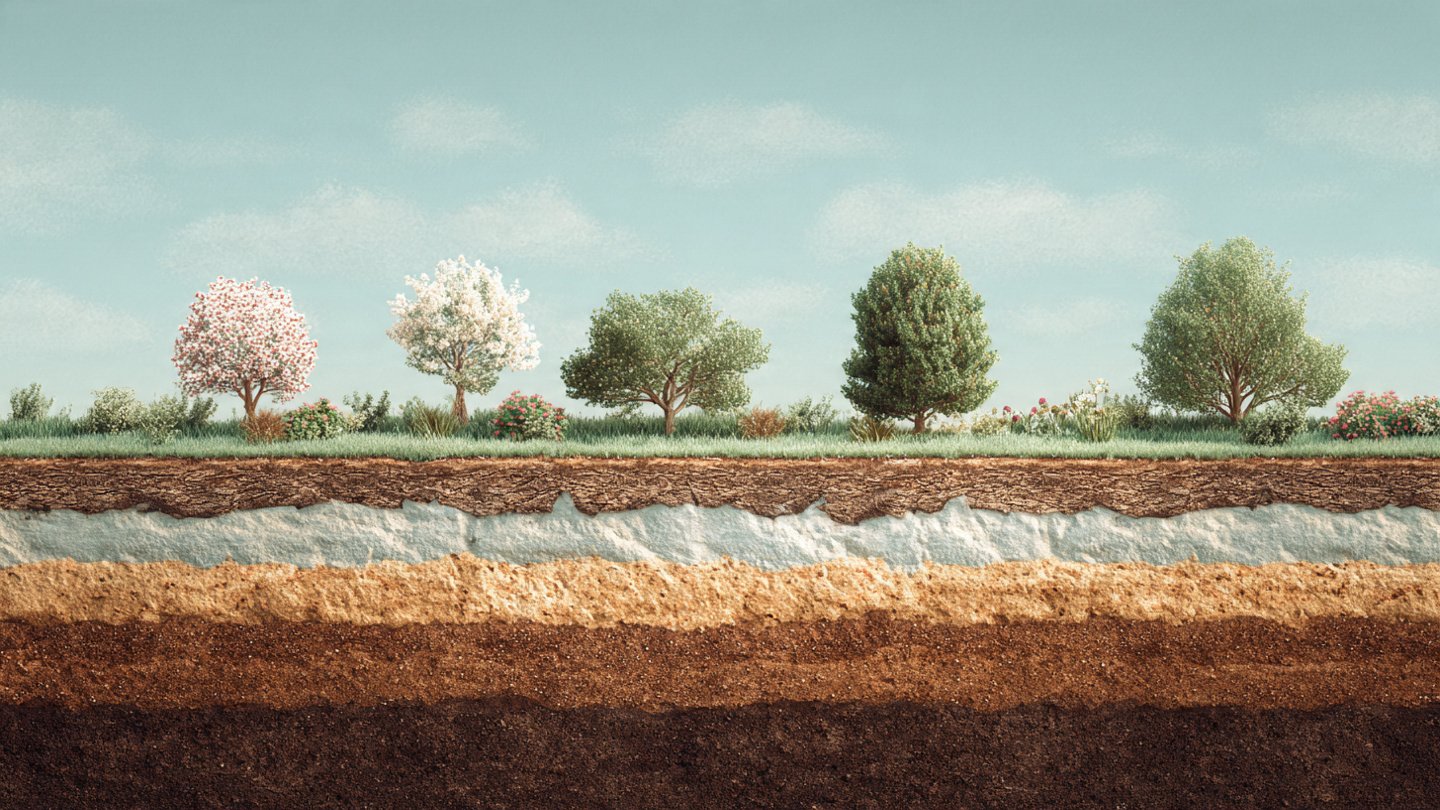
Are you looking for ways to create a beautiful, sustainable, and low-maintenance backyard? Xeriscaping might be the perfect solution. This landscaping approach focuses on water conservation, making it ideal for regions prone to drought or homeowners who want to reduce their water bills. In this comprehensive guide, we’ll explore backyard xeriscape ideas to help you design an eco-friendly oasis that thrives with minimal irrigation.
## What Is Xeriscaping?
Xeriscaping is a landscaping philosophy that emphasizes the use of drought-tolerant plants, efficient irrigation, and soil management to minimize water usage. Originally developed in arid regions, xeriscape principles can be applied anywhere to create stunning outdoor spaces that require less maintenance and fewer resources.
## Benefits of Xeriscaping Your Backyard
Before diving into specific backyard xeriscape ideas, let’s consider the advantages:
– **Water Conservation:** Xeriscaping can reduce outdoor water use by up to 60%, which is especially important in areas with water restrictions.
– **Low Maintenance:** Drought-tolerant plants typically require less care, making your garden easier to manage.
– **Cost Savings:** Lower water bills and reduced need for fertilizers or pesticides save money over time.
– **Environmental Impact:** Xeriscaped yards support local ecosystems, attract pollinators, and reduce chemical runoff.
– **Unique Aesthetics:** Xeriscaping offers diverse design possibilities, from modern minimalism to lush, naturalistic gardens.
## Planning Your Xeriscape Backyard
Successful xeriscaping begins with thoughtful planning. Here are the key steps to get started:
### 1. Assess Your Yard
– **Sun and Shade:** Map out areas that receive full sun, partial shade, or deep shade.
– **Soil Quality:** Test your soil’s drainage and fertility. Amend as needed with compost or sand for optimal plant health.
– **Microclimates:** Notice wind patterns, slopes, and any spots that collect rainwater.
### 2. Set a Design Theme
Popular themes for backyard xeriscape ideas include:
– **Southwestern:** Use gravel, cacti, and terra cotta accents.
– **Mediterranean:** Incorporate olive trees, lavender, and stone pathways.
– **Modern Minimalist:** Feature geometric shapes, ornamental grasses, and sleek hardscaping.
– **Native Garden:** Showcase plants indigenous to your region for maximum sustainability.
### 3. Group Plants by Water Needs
Arrange plants with similar irrigation requirements together. This “hydrozoning” helps you water efficiently and prevents over- or under-watering.
## Top Backyard Xeriscape Ideas
Ready to transform your outdoor space? Here are creative backyard xeriscape ideas to inspire your project:
### 1. Replace Grass with Drought-Tolerant Groundcovers
Traditional lawns are water-intensive. Swap turf for alternatives like:
– **Creeping thyme:** Aromatic, low-growing, and blooms with purple flowers.
– **Sedum:** Succulent groundcover with varied textures and colors.
– **Blue grama grass:** Native ornamental grass that adds movement and interest.
### 2. Build Gravel and Mulch Pathways
Gravel and mulch not only conserve water but also reduce weeds and erosion. Design winding paths or geometric walkways to add structure and visual appeal.
– **Decomposed granite:** Ideal for patios and pathways.
– **Wood chips or bark mulch:** Excellent for planting beds and around trees.
### 3. Create Rock Gardens and Dry Riverbeds
Rocks are a staple in xeriscaping. Arrange boulders, pebbles, and stones to mimic natural landscapes or build a dry riverbed for drainage and aesthetic interest.
– **Use river rocks for borders.**
– **Combine rocks with succulents and cacti for a desert vibe.**
### 4. Plant Drought-Tolerant Shrubs and Perennials
Choose plants that thrive in dry conditions. Some favorites include:
– **Lavender:** Fragrant, pollinator-friendly, and low water needs.
– **Russian sage:** Silvery foliage and purple blooms.
– **Agave and yucca:** Bold architectural forms for focal points.
– **California poppy:** Vibrant orange flowers for color.
### 5. Incorporate Native Plants
Native plants are adapted to your local climate, requiring less water and care. Research your region’s best options; examples include:
– **Black-eyed Susan (Rudbeckia)**
– **Purple coneflower (Echinacea)**
– **Manzanita shrubs (Arctostaphylos)**
### 6. Install Drip Irrigation
Drip irrigation delivers water directly to plant roots, reducing waste and evaporation. Set up a timer to automate watering and further conserve resources.
### 7. Add Mulch to Retain Moisture
Mulching is essential in xeriscaping. Organic or inorganic mulch keeps soil cool, prevents evaporation, and suppresses weeds.
– **Gravel or stone mulch for a modern look**
– **Shredded bark or straw for a natural aesthetic**
### 8. Design with Containers and Raised Beds
Containers and raised beds allow you to control soil quality and drainage. Use large pots for succulents, herbs, or ornamental grasses. Arrange them in clusters for visual impact.
### 9. Use Hardscaping Elements
Hardscape features reduce the amount of planted area and add character. Consider:
– **Patios and seating areas built with pavers or flagstone**
– **Decorative retaining walls**
– **Pergolas for shade**
### 10. Attract Wildlife with Xeriscape Features
Support local wildlife by adding:
– **Birdbaths or small water features (use recirculating pumps for efficiency)**
– **Nectar-rich flowers for hummingbirds and butterflies**
– **Native grasses for shelter**
## Backyard Xeriscape Ideas for Small Spaces
Xeriscaping works for yards of any size. For smaller backyards:
– **Vertical gardens:** Use wall-mounted planters or trellises for climbing vines.
– **Compact succulents:** Echeveria, hens-and-chicks, and aloe fit tight spaces.
– **Mini rock gardens:** Arrange stones and small cacti in containers.
## Maintenance Tips for Your Xeriscape Backyard
While xeriscape gardens are low-maintenance, some care is needed:
– **Water deeply but infrequently:** Encourage deep root growth.
– **Weed regularly:** Mulch helps, but occasional weeding is necessary.
– **Prune drought-tolerant plants:** Remove dead growth to keep plants healthy.
– **Monitor irrigation:** Check drip systems for leaks or clogs.
## Common Mistakes to Avoid in Xeriscaping
– **Choosing thirsty plants:** Select only species suited for dry conditions.
– **Over-mulching:** Too much mulch can suffocate roots or attract pests.
– **Ignoring soil health:** Amend poor soil with compost for better plant growth.
– **Underestimating sunlight:** Many drought-tolerant plants need full sun.
## Xeriscape Design Inspiration
Browse online galleries, local botanical gardens, or neighborhood landscapes for more backyard xeriscape ideas. Take photos and note combinations that appeal to you.
– **Pinterest and Instagram:** Search for “xeriscape backyard” for visual inspiration.
– **Local nurseries:** Visit for expert advice and plant recommendations.
## Final Thoughts: Embrace Sustainable Beauty
Xeriscaping doesn’t mean sacrificing beauty or variety in your backyard. With careful planning and creative design, you can enjoy a vibrant, water-wise landscape that’s both environmentally responsible and visually stunning. Whether you’re starting from scratch or renovating an existing yard, these backyard xeriscape ideas offer a roadmap to a sustainable outdoor haven.
Ready to transform your space? Start small, experiment with different plants and materials, and watch your xeriscape garden flourish with less water and effort.