How to Keep Rabbits Away From Gardens (Without Harming Them)
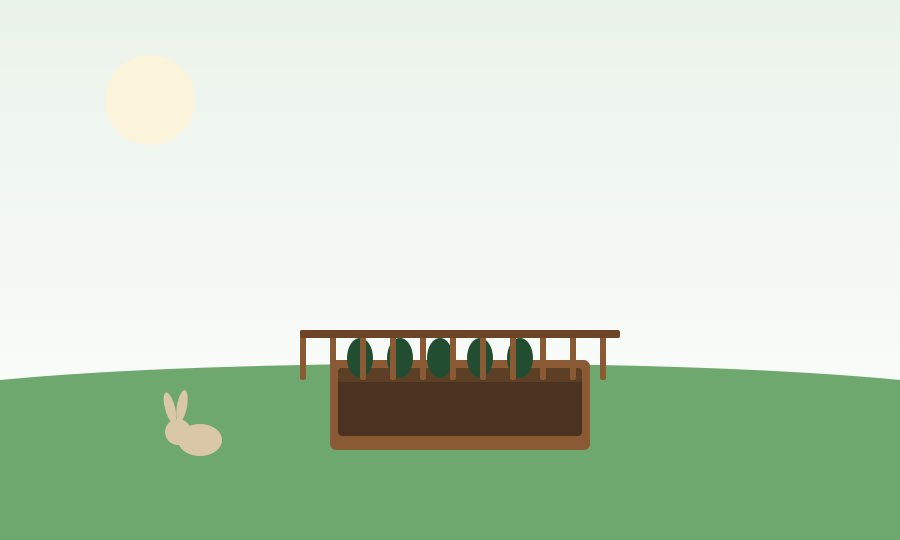
Rabbits can strip a vegetable bed overnight, and once they've found a reliable food source, they tend to keep coming back. The good news is that physical barriers and a few consistent habits solve the problem in almost every case — no harm to the rabbits required.
Fencing: The Most Reliable Solution
A simple chicken-wire fence remains the single most effective rabbit deterrent. Key specs that actually matter:
- Height: at least 2-3 feet above ground — rabbits can jump higher than people expect.
- Buried depth: bury 4-6 inches underground or bend the bottom outward, since rabbits will dig under a flush fence.
- Mesh size: 1 inch or smaller so young rabbits can't squeeze through.
Scent and Taste Deterrents
Commercial repellent sprays using ingredients like predator urine, garlic, or capsaicin can reduce rabbit browsing, though they need reapplication after rain. Strong-smelling plants interplanted among vegetables (marigolds, alliums) can also help mask the scent of more vulnerable crops.
Plants Rabbits Tend to Avoid
While no plant is 100% rabbit-proof when food is scarce, rabbits generally avoid:
- Strongly aromatic herbs (rosemary, mint, lavender)
- Plants with fuzzy or prickly leaves
- Alliums (onions, garlic, chives)
They show a strong preference for tender young lettuce, beans, peas, and most seedlings — exactly the crops a beginner garden often starts with, which is why protection matters most in the first few weeks after planting (see our guide on starting a vegetable garden from scratch).
Habits That Reduce Rabbit Pressure
- Remove brush piles and tall grass near the garden, which rabbits use as cover.
- Harvest ripe crops promptly — overripe produce on the ground attracts more wildlife.
- Check fencing weekly for gaps, especially after storms.
Frequently Asked Questions
A physical fence at least 2-3 feet tall, buried 4-6 inches deep with mesh no larger than 1 inch, is the most reliable long-term solution.
They can reduce browsing, particularly on less-preferred plants, but typically need reapplication after rain and work best combined with fencing.
Strongly aromatic herbs like rosemary and lavender, alliums like onions and garlic, and plants with fuzzy or prickly leaves are generally avoided by rabbits.
Young seedlings are tender, easy to chew, and nutrient-dense compared to mature plants, making them a preferred target especially early in the growing season.