How to Build a Gravel Garden Path
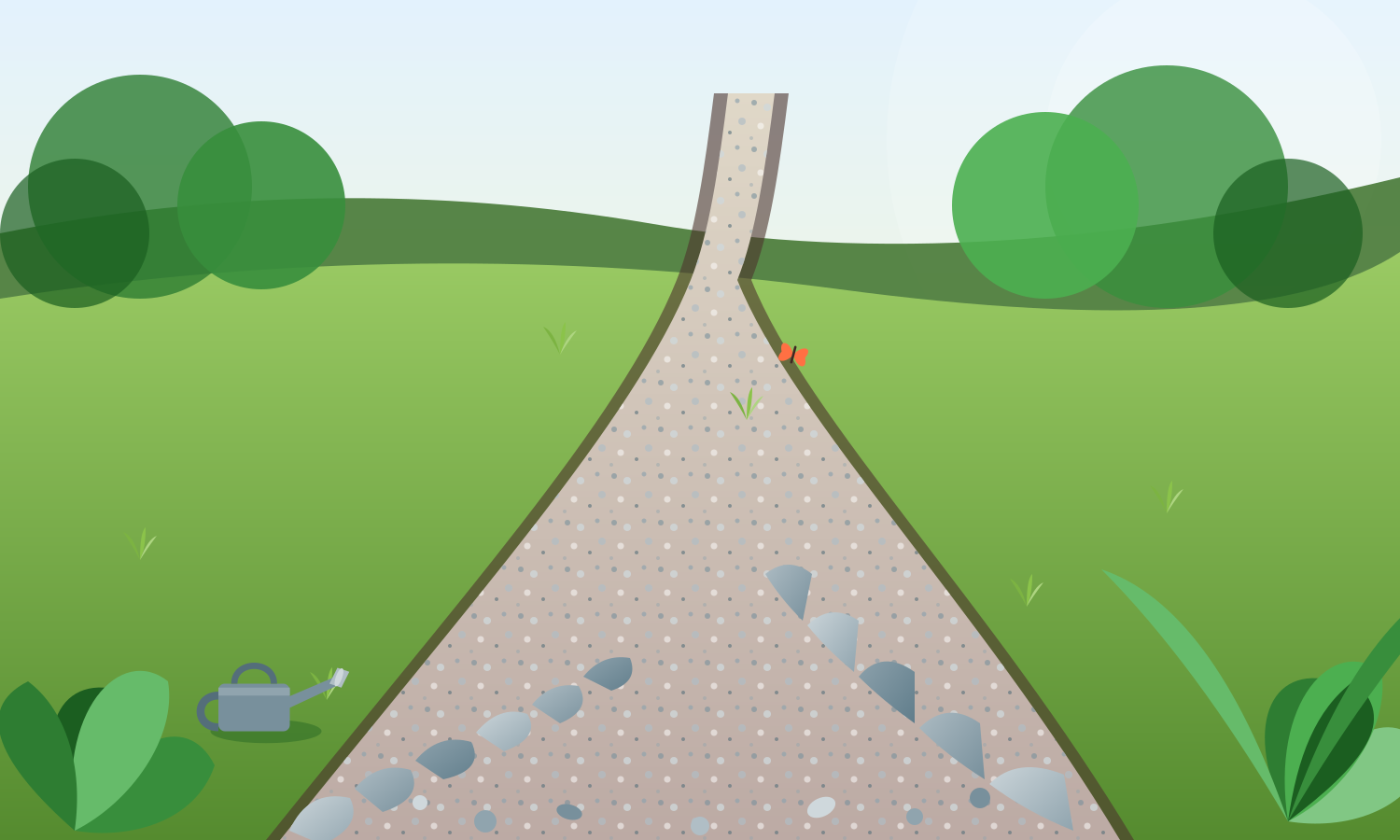
Learning how to build a gravel garden path is an excellent way to add structure and beauty to your yard. This classic hardscaping project is both budget-friendly and highly functional. By choosing the right materials and following a few simple steps, you can create a durable, low-maintenance DIY garden path that enhances your landscape for years to come.
How to Build a Gravel Garden Path: Planning and Excavation
Before you dig, map out the route of your diy garden path using a garden hose or spray paint to visualize the curves. For a comfortable walking experience, aim for a width of 36 to 48 inches. Once the layout is marked, excavate the soil to a depth of 3 to 4 inches. Remove any roots, rocks, or debris from the path bed and use a hand tamper to pack the soil down firmly, creating a stable foundation. Ensuring a level and compacted base prevents the gravel from shifting unevenly over time.
Selecting and Installing Gravel Path Edging
A crucial step in the installation process is choosing the right boundary. High-quality gravel path edging keeps the stones contained and prevents weeds from encroaching. You can use steel, aluminum, pressure-treated timber, or natural stone. Secure your chosen edging along the excavated borders using heavy-duty landscape stakes. Ensure the top of the edging sits about one inch above the surrounding soil level to prevent gravel from spilling into your lawn or flower beds during heavy rains.
Laying the Base and Weed Barrier
To build a long-lasting path, do not skip the underlayment. Lay down a layer of commercial-grade, woven geotextile landscape fabric over the compacted soil. This barrier prevents weeds from growing through while allowing water to drain. Secure the fabric with landscape staples every two feet. If you are designing for high-traffic areas, consider adding a 1-to-2-inch base layer of crushed stone or quarry process gravel beneath the fabric. Pack this base layer down tightly to provide extra structural support.
Choosing and Spreading the Right Gravel
The type of stone you choose affects both the look and feel of your path. Pea gravel is comfortable to walk on but can shift underfoot. Decomposed granite or crushed stone chips pack down tightly, making them ideal for a more stable surface. Pour your chosen gravel onto the fabric, filling the path to about a half-inch below the top of your gravel path edging. Use a garden rake to spread the stones evenly, then lightly mist the path with water to settle the dust.
Maintaining Your New Gravel Path
While a gravel walkway is a great addition to your low-maintenance front yard landscaping, it still requires occasional upkeep. Rake the surface periodically to keep the gravel level and redistribute stones that have shifted. Pull any stray weeds that manage to take root in the surface dust. Every few years, you may need to add a thin top-off layer of fresh gravel to restore its vibrant look and keep the pathway looking pristine.
Frequently Asked Questions
Pea gravel and crushed stone chips are the best options. Pea gravel offers a smooth, rounded texture that is comfortable to walk on, while crushed stone chips pack together tightly to create a more stable, slip-resistant surface.
Yes, heavy-duty landscape fabric is essential. It prevents the gravel from sinking into the soil below, blocks invasive weeds from growing upward, and allows water to drain freely so the path does not become muddy.
A depth of 3 to 4 inches is ideal. This allows for a solid base, weed barrier, and a 2-to-3-inch layer of decorative gravel, ensuring the path remains stable and contained within its edging.